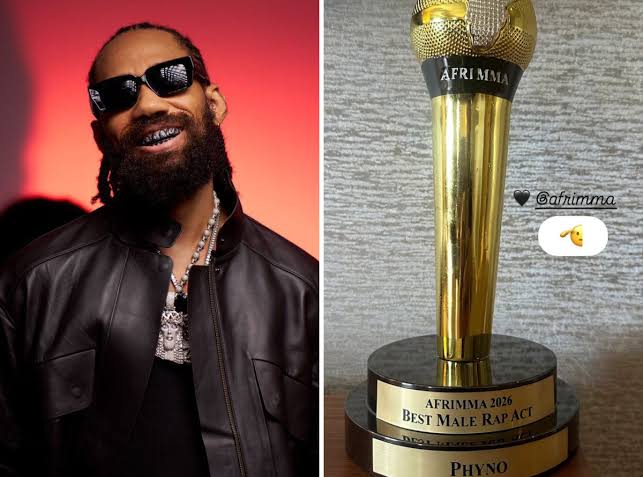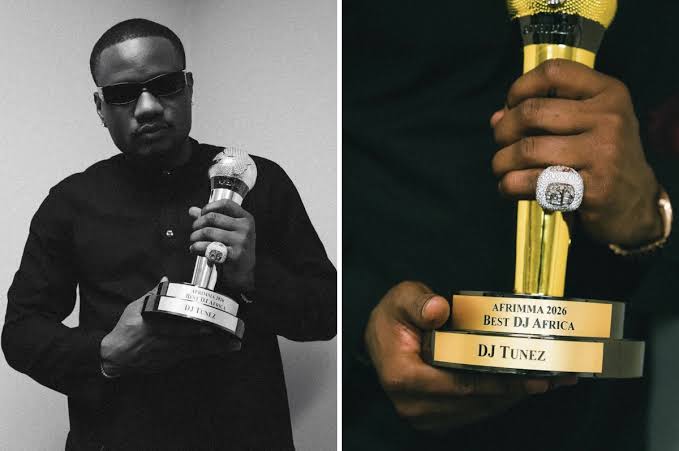
According to Newsverge’s September 14 report, DJ Tunez won Best DJ Africa at AFRIMMA 2026 after the Nigerian DJ and producer celebrated the result on his official Instagram account.
The award adds another credential to a career closely associated with Afrobeats’ international expansion and major collaborations.
AFRIMMA’s official winners page confirms “DJ Tunez” as Best DJ Africa. P.M. News separately reported the same result and quoted his celebration: “God bless @afrimma.”
Echotitbits take: The award strengthens DJ Tunez’s brand as both a touring DJ and recording collaborator. The next development to watch is whether the recognition translates into higher-profile festival slots and more cross-border releases.
Source: PM News — https://pmnewsnigeria.com/2026/09/14/dj-tunez-crowned-best-dj-in-africa-at-afrimma-2026/, September 14, 2026
Photo Credit: X.com