

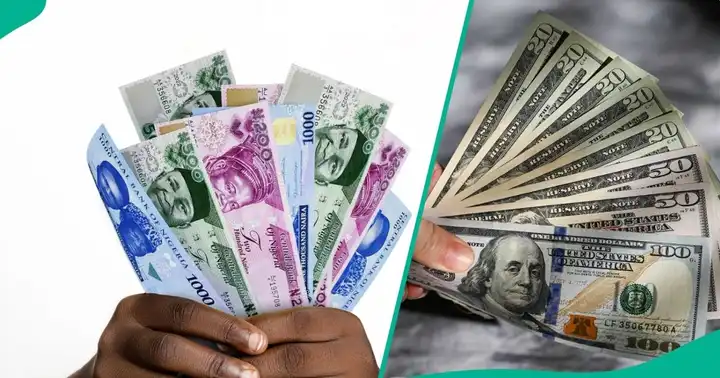

Figures cited by BusinessDay show that the Nigerian economy is facing renewed pressure as the gap between the official and parallel market exchange rates has widened to over N90. This development marks the most significant divergence in three years, threatening the government’s efforts to achieve exchange rate convergence and stabilize the local currency.
The widening gap is attributed to a “scramble for FX” by importers and a slowdown in foreign capital inflows. Despite the Central Bank’s recent policy adjustments, liquidity remains tight, forcing many businesses to source dollars at exorbitant rates from the black market. This has directly contributed to the rising cost of imported raw materials and finished goods, further fueling headline inflation.
Economic experts warn that if the divergence continues, it could lead to another round of official devaluation. The manufacturing sector is particularly hit, with many firms reporting narrowed profit margins and reduced production capacity. The government’s 2026 budget projections, which rely on a stable exchange rate, are now under threat of significant revision.
Validating data from ThisDay and The Sun confirm the market volatility. ThisDay reported that “the FX scarcity is stalling major infrastructure projects,” while The Sun quoted a financial analyst stating, “the market is reacting to the delay in the anticipated $3 billion emergency loan from international lenders.”
Echotitbits take: The “Naira-mismatch” is back, and it’s a nightmare for the Central Bank. Watch for a potential hike in interest rates (MPR) in the next MPC meeting as the CBN tries to mop up excess liquidity and attract investors to the fixed-income market.
Source: Legit.ng – https://www.legit.ng/business-economy/economy/1695884-naira-suffers-decline-forex-market-exchange-gap-widens/, February 10, 2026
Photo credit: Legit.ng