

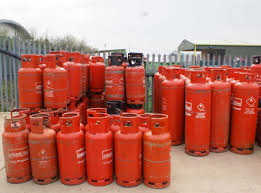

According to THISDAYLIVE reporting, the cost of Liquefied Petroleum Gas (LPG) has surged significantly across Nigeria, with retail prices crossing ₦1,500 per kilogram. The Nigerian Association of Liquefied Petroleum Gas Marketers (NALPGAM) raised the alarm, warning that a severe crisis is unfolding due to acute supply shortages and skyrocketing depot rates. Marketers are reportedly paying between ₦25.2 million and ₦26.2 million for a 20-metric-tonne truck of cooking gas, a cost burden that is directly passed on to struggling consumers.
The sharp spike has imposed severe economic hardship on low-income households, food vendors, and small enterprises nationwide. Market observers fear that the unaffordable costs are forcing many families to abandon cooking gas entirely. There are visible indicators that households are returning to hazardous alternatives like firewood, charcoal, and kerosene, thereby eroding years of advocacy and investment in safe cooking practices.
NALPGAM leadership expressed grave concerns that the inflationary trend could trigger public resentment and backlash against gas filling plants if left unchecked. The association noted that while government and industry operators have spent over a decade promoting cleaner alternatives to protect the environment and maternal health, current market dynamics threaten to completely dismantle those gains. Marketers are urging the federal government to stabilize supplies and intervene decisively before the situation worsens.
The escalating crisis has drawn widespread attention across the nation’s major publications. Reporting on the development, The Nigerian Observer noted that “the rising cost and erratic supply of cooking gas have imposed severe hardship on households,” which risks driving citizens back to wood fuel. Echoing these concerns, a report by Daily Post highlighted the broader economic impact, stating that “consumers now buy cooking gas at over N1,500 per kilogramme nationwide,” making clean energy an extreme luxury for ordinary citizens.
Echotitbits take: This surge highlights the underlying vulnerabilities in Nigeria’s local energy supply chain and currency fluctuations. The rapid return to firewood and charcoal poses severe environmental risks, including increased deforestation and respiratory illnesses. Watch for whether the Nigerian National Petroleum Company Limited (NNPC) or the Nigerian Midstream and Downstream Petroleum Regulatory Authority (NMDPRA) will announce direct interventions or domestic allocation waivers to cool off depot prices.
Source: The Guardian – https://guardian.ng/news/cooking-gas-crisis-deepens-as-price-hits-n1500-kg/, May 25, 2026
Photo credit: Naira Metrics