
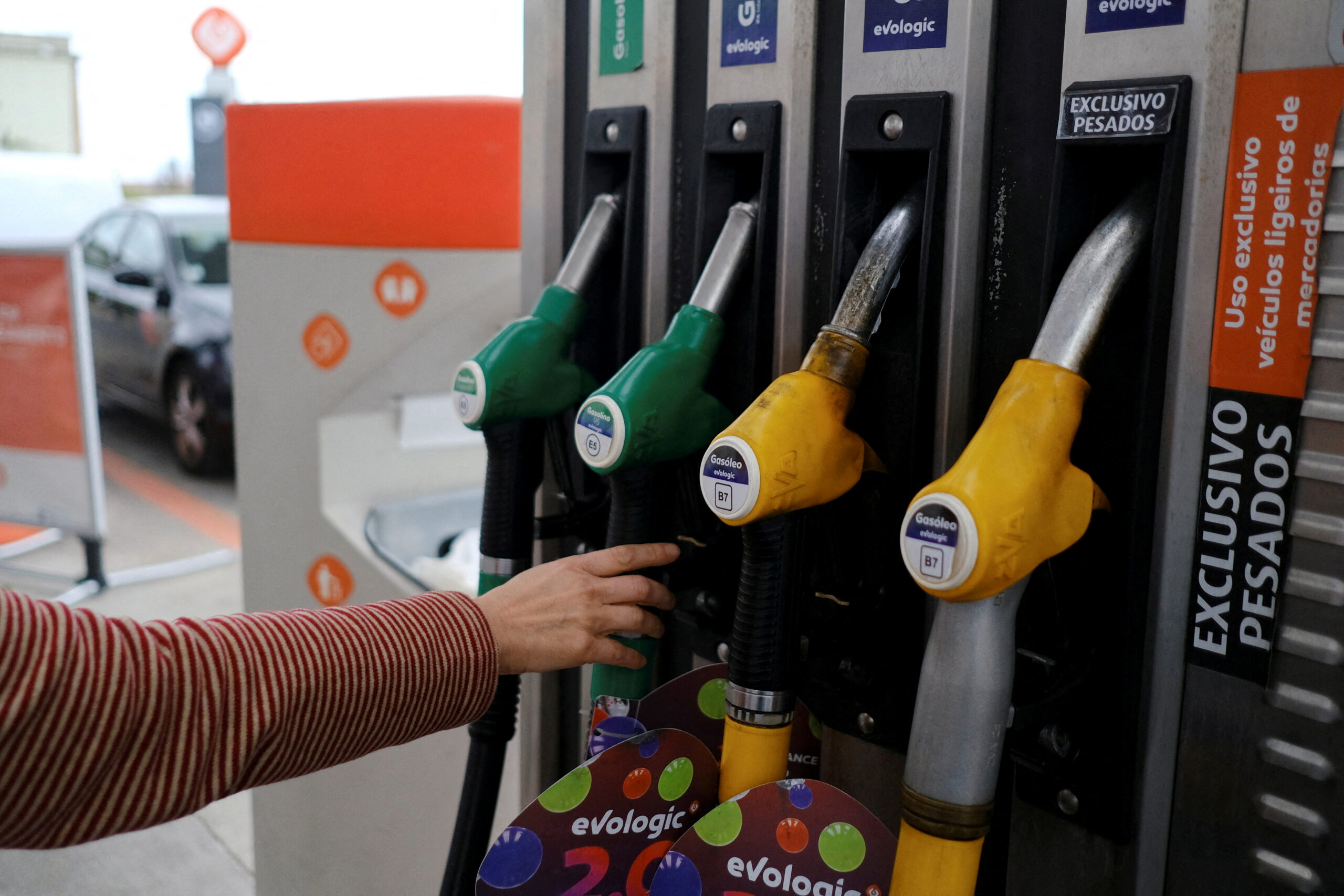

The Federal Government of Nigeria has initiated a direct engagement with downstream petroleum marketers and regulatory bodies to ensure that the ongoing decline in international crude oil prices reflects transparently in domestic pump prices. The Minister of Finance and Coordinating Minister of the Economy, Taiwo Oyedele, disclosed that the administration is proactively pushing for fairness in the retail market. He noted that while marketers are quick to hike pump prices citing higher replacement costs when global prices rise, they often show resistance or delay reductions when global crude rates tumble.
To address this disparity, the Federal Competition and Consumer Protection Commission (FCCPC) alongside the Nigerian Midstream and Downstream Petroleum Regulatory Authority (NMDPRA) have stepped up oversight within the provisions of the Petroleum Industry Act. The government highlighted its previous concessions, including the suspension of Value Added Tax (VAT) and excise duties on petroleum products, as sacrifices made to cushion the effect on consumers. Marketers, on the other hand, argue that existing stocks purchased at higher costs slow down immediate price adjustments.
Additionally, the government expressed dissatisfaction with transport operators who have benefited from the Compressed Natural Gas (CNG) conversion initiative but continue to charge commuters high fares. The administration urged the private sector to match its developmental concessions with patriotism, ensuring that ordinary Nigerians enjoy the intended economic relief of national interventions.
Independent confirmation by The Guardian indicates that the administration is intensifying regulatory checks, with the publication noting that “the FCCPC has warned it will not hesitate to sanction downstream operators engaging in exploitative pricing.” Furthermore, a report from Vanguard confirms the joint regulatory push, highlighting that “subnational tracking will be deployed to ensure full compliance with deregulated market fairness across the federation.”
Echotitbits take: This intervention addresses a perennial source of public friction in Nigeria’s fully deregulated downstream sector. By forcing a conversation on the symmetric adjustment of fuel prices, the government aims to curb corporate exploitation. Watch out for whether the FCCPC enforces punitive sanctions or if marketers will successfully point to logistics and foreign exchange volatility as barriers to immediate price relief.
Source: Business Africa – https://africa.businessinsider.com/local/markets/nigeria-orders-crackdown-on-petrol-pricing-as-crude-oil-drops-from-dollar120-to/tk0scg2, June 30, 2026
Photo credit: Reuter