Category: Business

  • Nigeria Posts ₦12 Trillion Trade Surplus as Non-Oil Exports Jump

    Nigeria Posts ₦12 Trillion Trade Surplus as Non-Oil Exports Jump

    Data released by Vanguard indicates Nigeria recorded a historic ₦12 trillion trade surplus in 2025, driven in part by a reported 21% rise in non-oil exports.

    Officials attributed the improvement to stronger performance in agriculture, processed solid minerals and select manufactured goods, positioning the outcome as a milestone for diversification.

    The stronger trade position is also expected to ease some FX pressure, though the broader macro outlook still depends on inflation and investment flows.

    **Echotitbits take:** The surplus is encouraging, but the public will measure success by jobs and cheaper goods. Watch for export incentives, port efficiency reforms and logistics upgrades that can keep non-oil growth durable.
    Source: Vanguard — https://www.google.com/amp/s/www.vanguardngr.com/2026/01/nigeria-records-n12trn-trade-surplus-21-non-oil-export-growth-in-h1-2025-trade-ministry/amp/ 2026-01-08

    Photo Credit: Vanguard

  • NERC Says Togo, Niger and Benin Owe Nigeria ₦25bn for Electricity Supply

    NERC Says Togo, Niger and Benin Owe Nigeria ₦25bn for Electricity Supply

    As disclosed by The Punch, the Nigerian Electricity Regulatory Commission (NERC) said Togo, Niger and Benin Republic owe about ₦25 billion for power supplied under regional agreements.

    The rising arrears have renewed debate about exporting electricity on credit while Nigeria faces domestic supply constraints and tariff pressures.

    NERC said discussions are ongoing on payment plans, warning that persistent non-payment could affect supply volumes.

    **Echotitbits take:** Recovering these debts matters for sector liquidity and stability. Watch for tougher contract terms—especially pre-payment structures—and clearer alignment between regional commitments and domestic power needs.
    Source: The Punch — https://www.google.com/amp/s/punchng.com/power-gencos-invoices-fall-n80-56bn-on-weak-demand/ 2026-01-08

    Photo Credit: The Punch

  • PwC Forecasts 4.3% GDP Growth for Nigeria in 2026, Cites Reforms and Digital Shift

    PwC Forecasts 4.3% GDP Growth for Nigeria in 2026, Cites Reforms and Digital Shift

    Insights from The Punch show PwC Nigeria is projecting a 4.3% expansion in Nigeria’s GDP in 2026, pointing to energy sector recovery and ongoing digital transformation in financial services.

    The report also linked growth prospects to sustained reform momentum, including fiscal adjustments and improvements in oil-region security.

    PwC flagged risks around inflation and external shocks, warning that poorly managed transitions could squeeze SMEs.

    **Echotitbits take:** The projection is achievable—but only if reforms translate into investment, stable prices and inclusive growth. Watch for policy clarity and execution speed, especially around taxes, FX and energy.
    Source: BusinessDay — https://businessday.ng/business-economy/article/nigerias-tax-to-gdp-ratio-seen-rising-in-2026-as-reforms-kick-in/ 2026-01-08

    Photo Credit: BusinessDay

  • FG Targets Solid Minerals Boom as Dele Alake Pushes New Mining Roadmap

    FG Targets Solid Minerals Boom as Dele Alake Pushes New Mining Roadmap

    A review by Leadership highlights Federal Government plans to reposition solid minerals as a major revenue driver, with Minister Dele Alake outlining reforms aimed at modernising mining governance and attracting large-scale investment.

    The roadmap prioritises boosting the sector’s GDP contribution, tightening regulation, and clamping down on illegal mining through stronger enforcement mechanisms.

    Officials have also discussed value-chain capture to ensure Nigeria benefits beyond raw extraction.

    **Echotitbits take:** The opportunity is huge, but enforcement and community relations will determine success. Watch for credible licensing transparency, environmental safeguards, and whether the proposed enforcement units are properly funded and accountable.
    Source: fmino – https://fmino.gov.ng/fg-plots-new-roadmap-for-solid-minerals-development/ 2026-01-08

    Photo Credit: fmino

  • Sahara Group Targets 7,000MW Capacity in Massive Power Sector Push

    Sahara Group Targets 7,000MW Capacity in Massive Power Sector Push

    Reporting by The Punch indicates Sahara Group is targeting a 7,000MW power generation capacity in 2026 as it expands investments across Nigeria’s electricity value chain, including upgrades to existing assets and new renewable projects.

    The company said progress will depend on a stable regulatory environment and ongoing collaboration with the Ministry of Power as reforms continue under the government’s broader energy agenda.

    Leadership and Tribune Online also reported the plans, noting Sahara Group’s stated commitment to renewable integration and infrastructure modernization as part of its 2026 roadmap.

    Echotitbits take: 7,000MW is ambitious relative to typical grid output. Even partial delivery could materially help industry, but the gas supply chain and transmission constraints will determine whether this target becomes real megawatts or just a headline.

    Source: The Punch — https://punchng.com/sahara-group-eyes-7000mw-in-major-power-sector-push/ 2026-01-07

    Photo Credit: The Punch

  • Nigerian Billionaires Outpace South African Rivals in Wealth Growth

    Nigerian Billionaires Outpace South African Rivals in Wealth Growth

    Figures cited by BusinessDay show that Nigeria’s top billionaires have officially overtaken their South African counterparts in combined net worth, reaching a total of $43 billion. Abdul Samad Rabiu, chairman of BUA Group, led the growth in 2025, significantly narrowing the gap with long-time leader Aliko Dangote while simultaneously moving ahead of South Africa’s wealthiest industrial titans.

    The report attributes this shift to the successful expansion of Nigerian conglomerates into the regional African market and the stabilization of the Naira, which has helped maintain the dollar-denominated value of their assets. This ‘wealth war’ between Africa’s two largest economies highlights the growing influence of Nigerian industrialization on the continent.

    The milestone was also mentioned by The Guardian and Vanguard. The Guardian noted that ‘Nigerian billionaires overtake South African peers,’ while Vanguard highlighted that ‘Rabiu leads wealth growth in 2025,’ solidifying his position as one of the most influential figures in African business.

    Echotitbits take: While these numbers are impressive, they highlight the extreme wealth concentration in Nigeria. The growth of these billionaires is largely tied to infrastructure and commodities—sectors that rely heavily on government policy. For the average Nigerian, the real question is when this industrial growth will lead to a significant reduction in the cost of basic goods like cement and sugar.
    Source: BusinessDay – https://businessday.ng/news/article/meet-4-nigerian-billionaires-worth-27-8bn-combined-forbes/ January 6 2026

    Photo Credit: BusinessDay

  • Strategic Appointments Target Stability in Nigeria’s Energy Sector

    Strategic Appointments Target Stability in Nigeria’s Energy Sector

    According to The Punch, President Bola Ahmed Tinubu has nominated 21 individuals to the boards of the nation’s primary energy regulators, the Nigerian Upstream Petroleum Regulatory Commission (NUPRC) and the Nigerian Midstream and Downstream Petroleum Regulatory Authority (NMDPRA). Leading the nominations is Senator Magnus Abe, who has been tapped as the NUPRC chairman, a move intended to bring political experience and technical oversight to the oil and gas sector.

    The President’s request for Senate confirmation emphasizes the need for a professional and transparent regulatory environment. By appointing seasoned figures like Adegbite Ebiowei Adeniji to lead the NMDPRA, the administration hopes to accelerate the implementation of the Petroleum Industry Act (PIA) and attract significant foreign direct investment to the energy sector.

    Validation for these appointments was found in Leadership and ThisDay. Leadership confirmed that ‘Tinubu names Magnus Abe, 20 others to NUPRC, NMDPRA boards,’ while ThisDay highlighted that the President ‘seeks Senate’s swift confirmation’ to ensure there is no vacuum in the oversight of Nigeria’s most critical revenue-generating sector.

    Echotitbits take: These appointments are a clear signal that the government wants to move beyond the transition phase of the PIA. Magnus Abe’s appointment is particularly strategic, combining his previous experience on the NNPC board with his political clout. The immediate priority for these boards will be resolving the lingering bottlenecks in local refining and increasing crude output.
    Source: Guardian – https://guardian.ng/energy/macroeconomic-stability-will-increase-energy-sector-investment/ January 6 2026

    Photo Credit: Guardian

  • Fresh Leadership Nominated for Nigeria’s Petroleum Regulatory Agencies

    Fresh Leadership Nominated for Nigeria’s Petroleum Regulatory Agencies

    Reporting by Leadership indicates that President Bola Ahmed Tinubu has formally requested the Senate to confirm 21 nominees to the boards of the Nigerian Upstream Petroleum Regulatory Commission (NUPRC) and the Nigerian Midstream and Downstream Petroleum Regulatory Authority (NMDPRA). Leading the list for the NUPRC is Senator Magnus Abe, a former NNPC board member, while Adegbite Ebiowei Adeniji, an energy lawyer with over three decades of experience, has been tapped to chair the NMDPRA board. The nominations aim to provide stable regulatory oversight as Nigeria seeks to increase its daily crude oil production and modernize its midstream infrastructure. The President urged the nominees to maintain professional standards and act as transparent regulators to attract much-needed foreign investment into the energy sector. The development was also corroborated by The Punch and Tribune Online. The Punch confirmed that ‘Tinubu nominates Magnus Abe, 20 others to NUPRC, NMDPRA boards,’ while Tribune Online noted that the request seeks ‘Senate’s swift confirmation’ to avoid regulatory gaps in the oil sector.

    Echotitbits take: The appointment of Magnus Abe and other industry veterans suggests a desire for political and technical synergy in the oil sector. With Nigeria aiming for a 1.8 million bpd target, these regulators will face immediate pressure to resolve pipeline security issues and finalize long-standing investment agreements.

    Source: TheCable – https://www.thecable.ng/senate-panel-screens-tinubus-nominees-for-nmdpra-nuprc-leadership/ January 6 2026

    Photo Credit: Facebook

  • Billionaire Wealth in Nigeria Surpasses South African Peers in 2025 Review

    Billionaire Wealth in Nigeria Surpasses South African Peers in 2025 Review

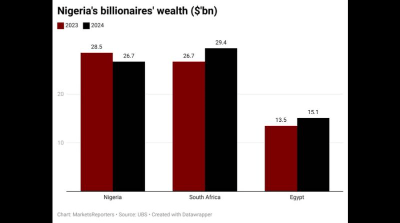
    Figures cited by BusinessDay show that Nigerian billionaires have overtaken their South African counterparts in combined net worth, with the total fortune of Nigeria’s top four listed billionaires hitting $43 billion. Abdul Samad Rabiu reportedly led the growth in 2025, moving up the ranks as Nigerian industrial sectors showed resilience despite foreign exchange fluctuations. The report notes that the shift in wealth dynamics is partly due to the expansion of Nigerian conglomerates into regional African markets and the stabilization of the Naira in late 2025. This marks a significant moment in the ‘wealth war’ between Africa’s two largest economies. This economic milestone was also mentioned by The Punch and Premium Times. The Punch noted that ‘Nigerian billionaires overtake South African peers,’ while Premium Times highlighted the ‘economics of coping’ for the broader population while the top tier sees record growth.

    Echotitbits take: While billionaire growth is a sign of industrial strength, the ‘decoupling’ of elite wealth from the struggles of the average Nigerian remains a concern. The growth in Rabiu’s and Dangote’s fortunes suggests that local manufacturing is finally benefiting from the ‘Buy Nigeria’ policies and improved export routes.

    Source: MarketsReporters – https://www.marketsreporters.com/2025/01/25/south-africa-overtakes-nigeria-in-dollar-billionaires-wealth/ January 6 2026

    Photo Credit: MarketsReporters

  • Starlink to Lower 4,400 Satellites in 2026 Strategy Shift

    Starlink to Lower 4,400 Satellites in 2026 Strategy Shift

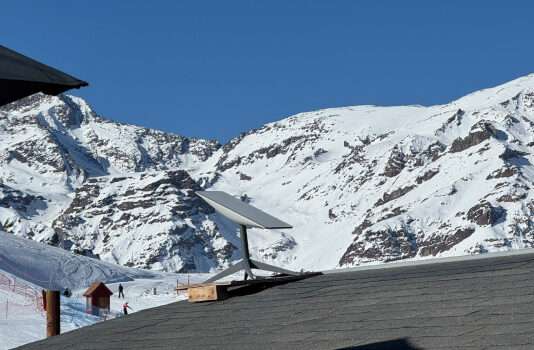
    Reporting by Channels TV indicates that SpaceX’s Starlink is planning a significant orbital adjustment in 2026, which involves lowering approximately 4,400 of its satellites to a closer Earth orbit. This technical shift is designed to further reduce ‘latency’—the delay in data transmission—making the satellite internet service more competitive for high-speed gaming, financial trading, and real-time medical consultations in remote areas like rural Nigeria.

    The move is also seen as a proactive measure to address concerns about ‘space debris,’ as lower-orbiting satellites are more likely to burn up in the atmosphere at the end of their life cycle. For Nigerian users, this could mean even more stable connections, especially in regions where fiber optic cables are non-existent. Starlink has already become the leading ISP for rural businesses across West Africa.

    Supporting coverage from TechCity and Leadership confirms the global impact. TechCity noted that ‘latency could drop to as low as 15ms,’ while Leadership quoted a Nigerian IT consultant: ‘Starlink is already changing the game for fintechs in the North; this will only make them faster.’

    Echotitbits take: Starlink is effectively making traditional ISPs obsolete in the Nigerian hinterland. By lowering latency, they are attacking the last remaining advantage of ‘ground-based’ internet. Watch for a response from local telcos like MTN and Glo, who may lobby for ‘fair competition’ regulations as Starlink’s dominance grows.
    Source: Channels TV – https://www.channelstv.com/2026/01/02/starlink-to-lower-4400-satellites-in-2026/ January 5, 2026

    Photo Credit: Channels TV