GazetteNGR reports the ICRC DG urged Nigerians to enter 2026 hopeful, citing PPP structuring and approvals as signs of infrastructure delivery momentum.
Premium Times reports NCDMB launched its 2025/2026 research, innovation and technology challenge, inviting proposals for prizes and possible incubation support.
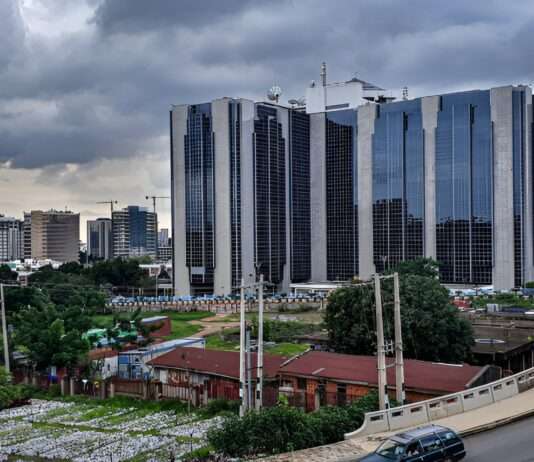
CBN’s latest outlook projects stronger 2026 growth and a sharp fall in average inflation, with markets watching oil, FX stability and policy follow‑through.
In an update published by PUNCH, the Central Bank of Nigeria’s balance-of-payments data shows foreign direct investment rose to about $720 million in Q3 2025—well above the prior q…
Figures cited by PUNCH show the Central Bank of Nigeria expects external reserves to climb to about $51.04bn in 2026, up from a projected $45bn in 2025, based on assumptions about …
NNPCL says the Escravos–Lagos gas pipeline has been restored after a December explosion. Stakeholders will watch whether flows stay stable for power and industry.
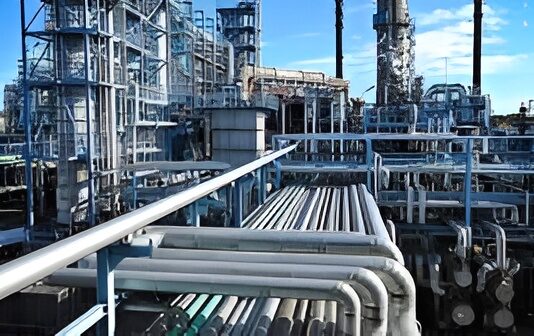
Punch reports diesel truck-outs continued from Port Harcourt refinery even as the facility was described as being in shutdown mode. The episode is fuelling calls for clearer refinery production transparency.
We use cookies to ensure that we give you the best experience on our website. If you continue to use this site we will assume that you are happy with it.