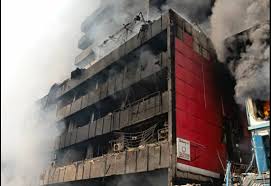
A high-rise fire on Lagos Island disrupts Christmas-period commerce as responders contain the blaze and officials weigh demolition and safety enforcement.
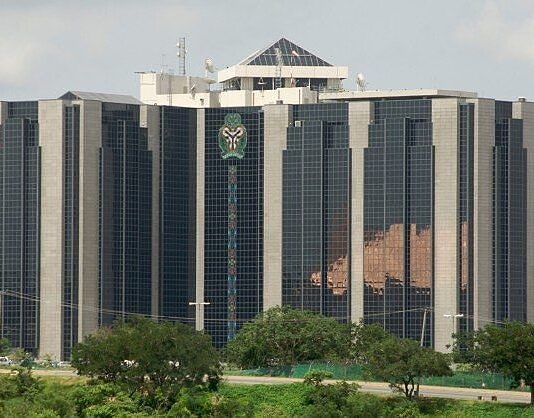
CBN figures show formal remittance inflows via IMTOs falling, raising fresh questions about FX liquidity and incentives to route money through official channels.
The federal government has warned ministries and agencies that failure to submit separate annual financial statements will trigger an indefinite suspension of funds in 2026.
Taiwo Oyedele says tax authorities cannot debit taxpayers’ bank accounts without following due legal process, stressing the need for court-backed enforcement.
The federal government reportedly raised about N6.1 trillion domestically in the first half of 2025 to finance a large fiscal deficit and cover spending gaps.
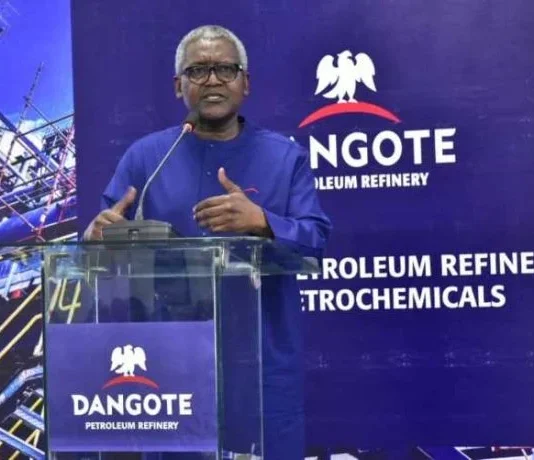
Motorists queued at some MRS outlets after Dangote-refined petrol reportedly sold for about N739 per litre, widening price gaps and triggering demand spikes.
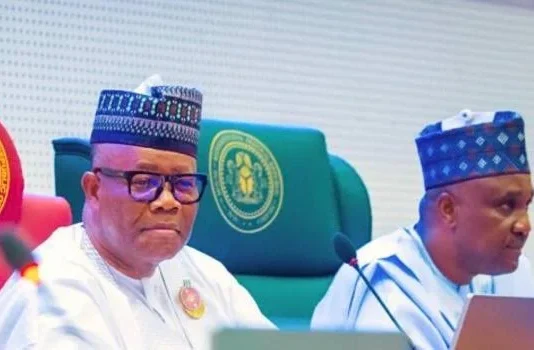
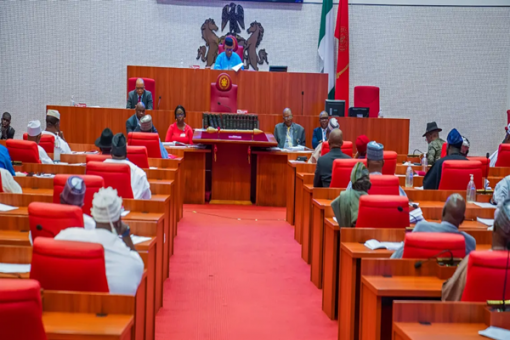
Nigeria’s Senate has taken the 2026 budget through second reading, moving the appropriation process forward while scrutiny turns to revenue assumptions, borrowing, and sector allocations.
PZ Cussons Nigeria posted a strong half-year profit reversal, with investors watching whether the gains are driven by sustainable demand recovery or pricing and FX effects.
We use cookies to ensure that we give you the best experience on our website. If you continue to use this site we will assume that you are happy with it.