
Category: International Economics

  • Benin Republic Shifts Trade Strategy Toward Nigeria Amid Sahel Instability

    Benin Republic Shifts Trade Strategy Toward Nigeria Amid Sahel Instability

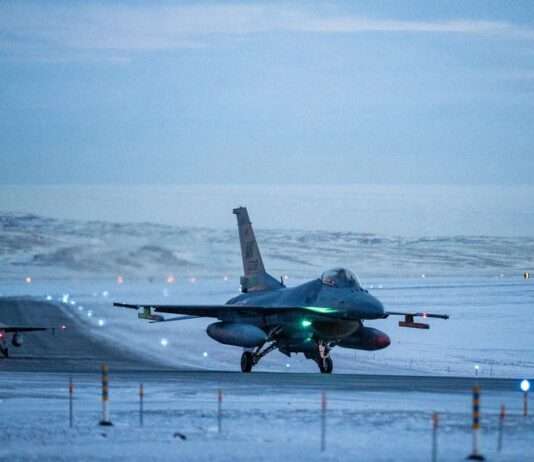
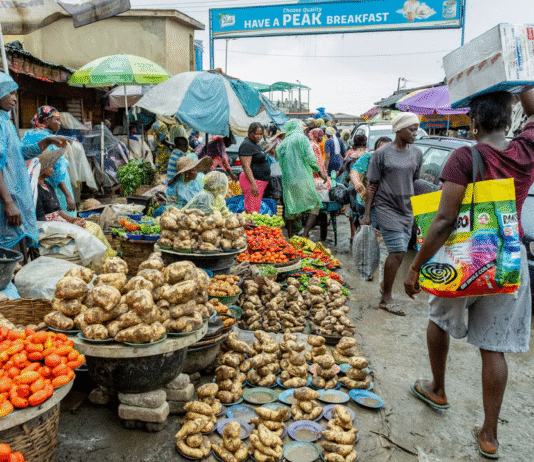
    In a report published by Premium Times, the CEO of the Benin Republic Investment and Export Promotion Agency (APIEx) has indicated a strategic pivot toward the Nigerian market. With traditional trade routes in the Sahel region disrupted by coups and regional upheaval, Benin is increasingly looking to its eastern neighbor as its primary economic anchor. The move signifies a deepening of bilateral ties and a recognition of Nigeria’s dominance in the West African trade corridor.

    The shift is expected to increase the volume of transit goods through the Cotonou-Lagos axis, potentially boosting customs revenue for both nations. Analysts suggest that this forced realignment could lead to a more formalized trade relationship, reducing the reliance on smuggling that has historically characterized the border. Benin’s authorities are reportedly seeking joint infrastructure projects to facilitate smoother cross-border logistics.

    The trade shift was also covered by The Punch and ThisDay. The Punch noted that “Benin’s refocus on Nigeria is a survival strategy,” while ThisDay cited a West African trade expert who remarked, “The Sahel crisis is reshaping ECOWAS trade maps in favor of the Lagos-Abidjan corridor.”

    Echotitbits take: This is a golden opportunity for Nigeria to exert more economic influence over Benin and finally resolve the perennial border disputes. If Nigeria can improve the efficiency of the Seme border, it could become the undisputed transit hub for the entire sub-region.

    Source: The Guardian – https://guardian.ng/politics/foiled-benin-coup-how-nigerias-intervention-secured-key-trade-route-regional-supply-chain/, February 3, 2026

    Photo credit: The Guardian

  • Nigeria and Türkiye Partner to Commercialize Scientific Research

    Nigeria and Türkiye Partner to Commercialize Scientific Research

    According to The Punch, high-level discussions between Nigeria and Türkiye have culminated in a new agreement focused on the commercialization of scientific research. The partnership aims to turn laboratory discoveries into viable commercial products, specifically targeting sectors like agriculture, defense, and manufacturing. The initiative is expected to boost Nigeria’s industrial growth by adopting Turkish technological frameworks and manufacturing processes to scale local innovations.

    The agreement includes exchange programs for researchers and the establishment of “innovation hubs” in major Nigerian cities. Officials from both countries noted that the goal is to reduce Nigeria’s reliance on imported finished goods while creating a robust pipeline for “Made in Nigeria” products destined for the international market. This bilateral cooperation is seen as a key component of the federal government’s 2026 economic expansion agenda.

    This development was also highlighted by Leadership and Tribune. Leadership reported that “the partnership will prioritize tech transfer in the defense sector,” while Tribune mentioned that “funding for the first phase of the hubs has already been secured.”

    Echotitbits take:

    Türkiye has become a strategic middle-power partner for Nigeria, especially in tech and defense. This move toward “commercializing research” suggests Nigeria is moving away from purely academic science toward an industrial-military complex model. Watch for the first “Nigeria-Türkiye” joint venture products in the agricultural machinery space.

    Source: The Punch – https://punchng.com/nigeria-advances-research-commercialisation-talks-with-turkiye/, January 31, 2026

    Photo credit: The Punch

  • Massive Shift in Regional Markets: ECOWAS Projects 5% Growth for 2026

    Massive Shift in Regional Markets: ECOWAS Projects 5% Growth for 2026

    According to reporting from The Guardian, the President of the ECOWAS Commission, Dr. Omar Alieu Touray, has officially projected a regional economic growth rate of 5.0% for the current 2026 fiscal year. This optimistic forecast follows a resilient 4.6% growth recorded in the previous year, despite global economic headwinds and high inflation. Speaking at a news conference in Abuja regarding the exit of Mali, Burkina Faso, and Niger, the commission emphasized that the West African bloc continues to outperform other regions on the African continent.

    The projections are built on the back of recovering industrial output and a steady decline in inflation across member states. Officials noted that while the global economy has slowed down, Africa’s resilience remains a key driver for the regional uptick. The commission is now focusing on harmonizing trade policies to ensure this 5% target is met through increased intra-regional commerce and infrastructure stability.

    This development has been corroborated by Vanguard and The Nation. Vanguard noted that the “resilience of the West African economy is a testament to recent fiscal reforms,” while The Nation reported that “member states are being urged to maintain fiscal discipline to meet the 5% growth threshold.”

    Echotitbits take:

    This 5% growth projection is a bold signal of stability for a region recently rocked by the exit of three key members. Investors should watch for new trade treaties within ECOWAS to compensate for the “exit shock,” as the commission seeks to prove that the bloc remains economically viable without the Sahelian trio.

    Source: Daily Trust – https://dailytrust.com/ecowas-targets-5-growth-for-west-african-countries-in-2026/ , January 31, 2026

    Photo credit: Daily Trust

  • Stalled Uranium Shipments in Niamey Highlight Regional Trade Tensions

    Stalled Uranium Shipments in Niamey Highlight Regional Trade Tensions

    Stalled Uranium Shipments in Niamey Highlight Regional Trade Tensions

    According to Channels TV reporting, a shipment of more than 1,000 tonnes of uranium is reportedly stranded at the Niamey airport in Niger, underscoring the logistical and diplomatic constraints facing the ruling junta. The cargo—intended for sale as the country pivots away from its traditional partner France—cannot easily move through usual routes due to closed borders with Benin and elevated security risks in Burkina Faso.

    The situation highlights how political instability and regional tensions can choke trade corridors. Niger’s relations with neighbors, including Nigeria, remain strained, complicating land-based export options for “yellowcake” concentrate. Reports indicate the junta is cautious about alternative routes, including via Togo, amid concerns about jihadist attacks along transit corridors.

    Premium Times validated the report, noting the deadlock is costing Niger millions in potential revenue. The Punch cited analysts describing the episode as an example of how instability constrains economic sovereignty.

    Echotitbits take: This is consequential for regional energy geopolitics. If Niger cannot export via conventional channels, it may pursue unconventional buyers and deepen reliance on external security/logistics partners—potentially shifting balances across West Africa.

    Source: Enca — https://www.enca.com/business/niger-faces-dilemma-over-uranium-shipment-stuck-airport (2026-01-23)

    Photo Credit: Enca 2026-01-23

  • Venezuela Opens Talks With U.S. on Restoring Diplomatic Ties After Political Shake-Up

    Venezuela Opens Talks With U.S. on Restoring Diplomatic Ties After Political Shake-Up

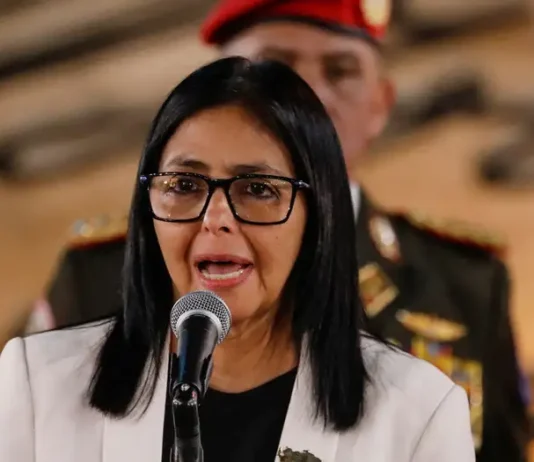
    According to The Punch, Venezuela said it has opened talks with the United States on restoring diplomatic relations, signaling early steps toward formal engagement.

    Such restorations usually move in stages—consular re-engagement, technical delegations, and incremental agreements on priority issues.

    Any shift could affect sanctions policy, migration dynamics, and energy-market expectations across the region.

    AP described the move as “first steps toward restoring relations,” while analysis referenced in The Conversation framed the post-crisis environment as a period of political reorganization after leadership upheaval.

    Echotitbits take: Watch the concessions—sanctions, election roadmaps, and security guarantees. If talks stick, oil and regional politics could shift fast.

    Source: Dw — https://www.dw.com/en/venezuela-launches-exploratory-talks-with-us-to-restore-ties/a-75458362 January 10, 2026

    Dw 2026-01-10

    Photo Credit: Dw

  • Poll Signals Americans Oppose Military Takeover of Greenland as Rhetoric Escalates

    Poll Signals Americans Oppose Military Takeover of Greenland as Rhetoric Escalates

    Figures cited by Stars and Stripes highlight polling that “Americans overwhelmingly oppose” a U.S. military takeover of Greenland, signaling limited domestic appetite for escalation.

    Public opinion can constrain policy options, especially when rhetoric outpaces political feasibility and costs become clearer.

    The poll angle adds a second pressure line: Greenland’s leaders reject takeover talk—and U.S. voters reportedly don’t want a military route either.

    Reuters referenced Greenland’s parliament responding to “U.S. threats,” while The Guardian (UK) also noted backlash as leaders pushed back publicly.

    Echotitbits take: Watch whether the debate shifts from takeover framing to negotiated Arctic cooperation—security monitoring and investment without sovereignty drama.

    Source: Stripes — https://www.stripes.com/theaters/europe/2026-01-08/greenland-military-poll-20339489.html January 10, 2026

    Stripes 2026-01-10

    Photo Credit: Stripes

  • Greenland Leaders Reject Trump Takeover Talk: ‘We Don’t Want to Be Americans’

    Greenland Leaders Reject Trump Takeover Talk: ‘We Don’t Want to Be Americans’

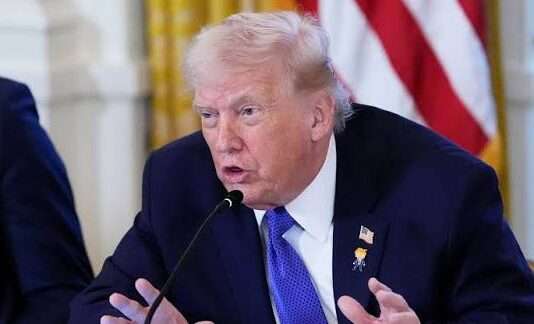
    According to The Guardian (UK), Greenland’s party leaders jointly rejected takeover rhetoric linked to President Donald Trump, stating: “We don’t want to be Americans,” while emphasizing self-determination.

    The controversy sits at the intersection of Arctic strategy, security narratives, and sovereignty, raising tensions for Denmark and Greenland’s autonomy politics.

    Leaders used the moment to reaffirm unity on self-rule even as internal factions differ on the pace and pathway to independence.

    AP reported Greenland’s leaders “firmly rejected” the push for U.S. control, while Reuters noted parliament moved to address “U.S. threats” and party leaders reiterated opposition to pressure.

    Echotitbits take: Watch U.S.–Denmark–Greenland diplomacy and NATO reactions—this could reshape Arctic security posture and autonomy debates.

    Source: WFSB — https://www.wfsb.com/2026/01/10/greenlands-party-leaders-firmly-reject-trumps-push-us-control-island/ January 10, 2026

    WFSB 2026-01-10

    Photo Credit: ITVX

  • CBN Projection Puts Petrol Around N950/Litre, Raising Fresh Inflation Concerns

    CBN Projection Puts Petrol Around N950/Litre, Raising Fresh Inflation Concerns

    According to Vanguard, a CBN-linked macro projection suggests petrol could average around N950 per litre, reflecting a model-driven outlook shaped by exchange rates and supply costs. (more…)

  • Nigeria Posts ₦12 Trillion Trade Surplus as Non-Oil Exports Jump

    Nigeria Posts ₦12 Trillion Trade Surplus as Non-Oil Exports Jump

    Data released by Vanguard indicates Nigeria recorded a historic ₦12 trillion trade surplus in 2025, driven in part by a reported 21% rise in non-oil exports.

    Officials attributed the improvement to stronger performance in agriculture, processed solid minerals and select manufactured goods, positioning the outcome as a milestone for diversification.

    The stronger trade position is also expected to ease some FX pressure, though the broader macro outlook still depends on inflation and investment flows.

    **Echotitbits take:** The surplus is encouraging, but the public will measure success by jobs and cheaper goods. Watch for export incentives, port efficiency reforms and logistics upgrades that can keep non-oil growth durable.
    Source: Vanguard — https://www.google.com/amp/s/www.vanguardngr.com/2026/01/nigeria-records-n12trn-trade-surplus-21-non-oil-export-growth-in-h1-2025-trade-ministry/amp/ 2026-01-08

    Photo Credit: Vanguard

  • UN Security Council splits over US raid that captured Venezuela’s Maduro

    UN Security Council splits over US raid that captured Venezuela’s Maduro

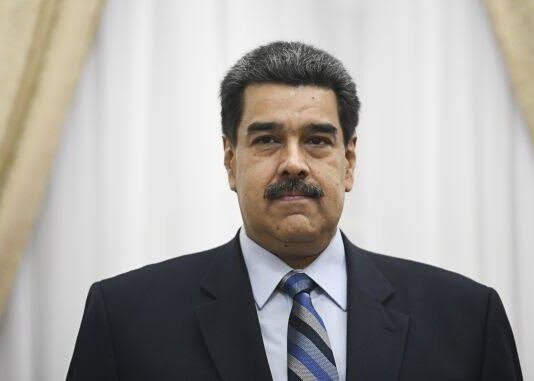
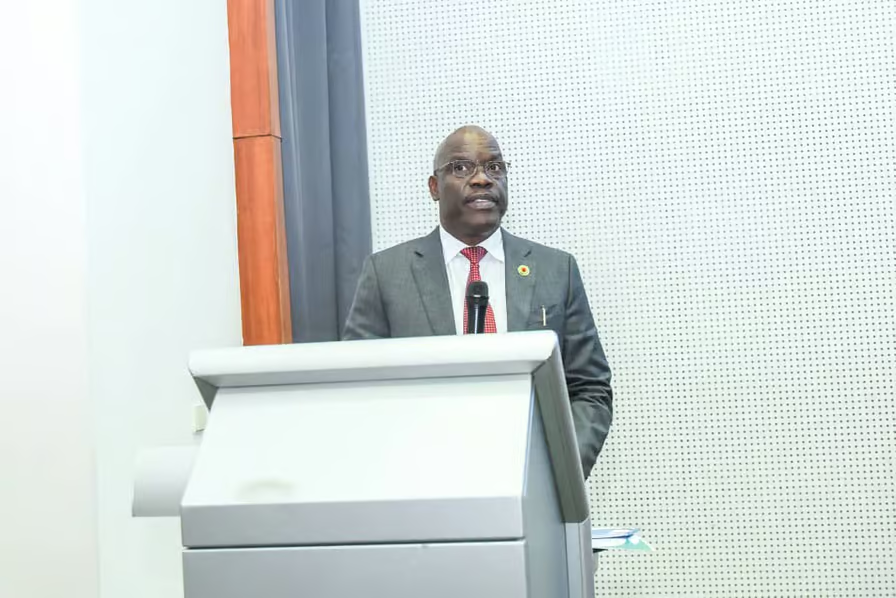
    According to Premium Times, the UN Security Council session on the US operation that captured Venezuela’s President Nicolás Maduro exposed sharp divisions, with some delegations questioning legality and others framing it as a response to alleged criminal conduct.
    The dispute is about precedent: whether a powerful state can use force across borders for an arrest operation without multilateral authorization—and what that does to the post-1945 rules-based order.

    The backlash is already geopolitical, shaping alliance politics, regional responses in Latin America, and Venezuela’s internal transition dynamics.

    Even for states far from the theatre, the episode raises practical questions about sovereignty, reciprocity, and the credibility of international law when major powers act unilaterally.

    Reuters quoted UN concerns that the intervention “violates international law” and “sets a dangerous precedent.” AP reported the US envoy defended it as a “surgical law enforcement operation” at the UN.

    Echotitbits take: Watch three things: war-powers pressure inside the US, regional responses in Latin America, and any sanctions/asset moves tied to Venezuela’s oil and leadership transition. The bigger story is how “law enforcement” narratives collide with sovereignty norms at the UN.

    Source: Timesofisrael – https://www.timesofisrael.com/splits-emerge-over-venezuelas-future-as-un-security-council-meets-to-discuss-us-raid/ January 6, 2026
    Premium Times January 6, 2026

    Photo Credit: Timesofisrael