

Nigeria’s SEC has raised minimum capital thresholds for broker-dealers, portfolio managers and issuing houses, with a June 2027 deadline—signaling consolidation and higher resilience expectations across capital-market intermediaries.
The EU has removed Nigeria from its AML/CFT high-risk list, a step likely to reduce due-diligence friction on EU-linked transactions and support trade finance, investment inflows and confidence in Nigeria’s compliance posture.
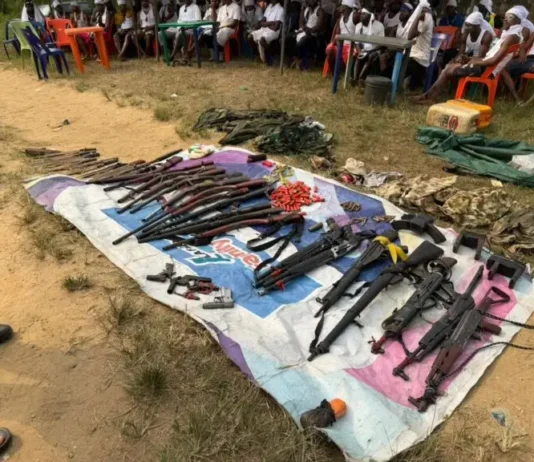
The Nigerian Army says 80 militants surrendered in Cross River under an amnesty framework, handing over weapons. The next test is reintegration capacity and sustainable livelihoods to prevent relapse into criminality.
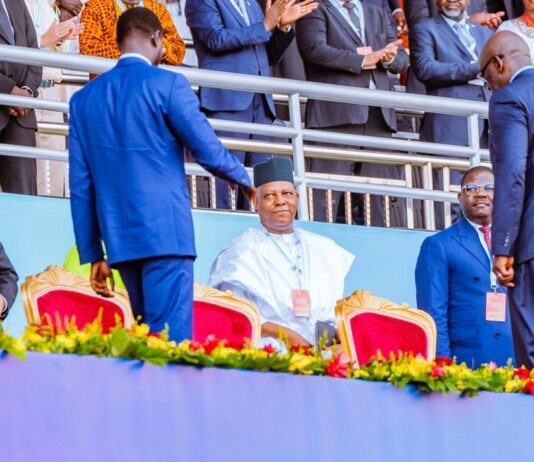
Nigeria’s Vice President attended Guinea’s presidential inauguration, highlighting Abuja’s ECOWAS leadership ambitions and its focus on regional stabilization, trade corridors and restoring constitutional order after a transition period.
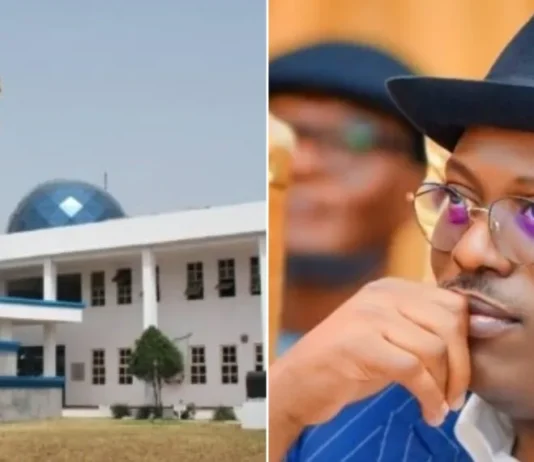
A Rivers High Court has temporarily restrained impeachment proceedings against Governor Fubara and his deputy, shifting the state’s political crisis into a legal contest while underlying legislative–executive tensions remain unresolved.

Senegal has asked CAF to address security and facility-equity concerns ahead of the AFCON final versus Morocco—raising the stakes for transparent tournament operations and minimizing controversy around the result.
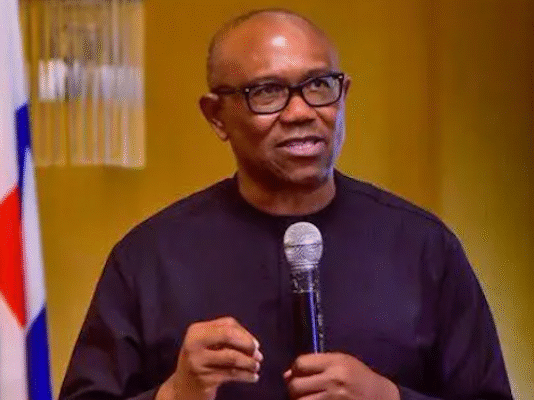
Peter Obi says he owns no property in Abuja, fueling debate about leadership modesty and political branding. The statement is likely to amplify ‘lifestyle audit’ themes as Nigeria’s next election cycle approaches.
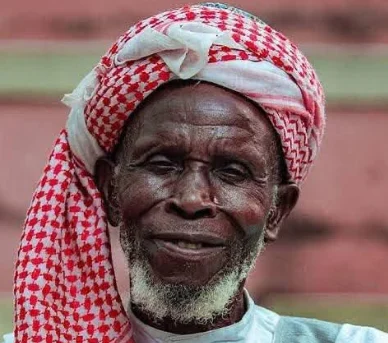
CAN and major political figures have mourned Imam Abdullahi Abubakar, remembered for protecting Christians during a 2018 Plateau attack—reviving calls to institutionalize interfaith peace-building beyond individual heroism.
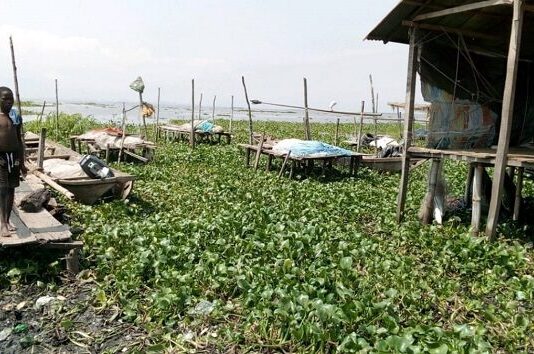
LASWA says Ikorodu Ferry Terminal reopens January 19 after hyacinth clearance. The move should ease road congestion, but the recurring blockage underscores the need for permanent waterways vegetation management.
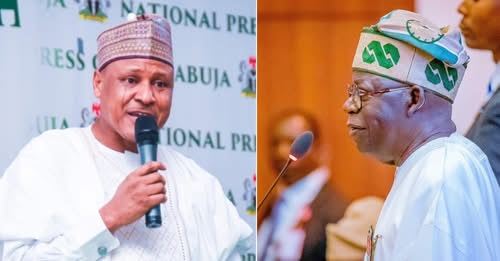
Nigeria’s information minister says the Tinubu administration is building long-term economic foundations, while critics point to persistent living-cost pressures—setting up a narrative-versus-welfare test that will shape public confidence.