

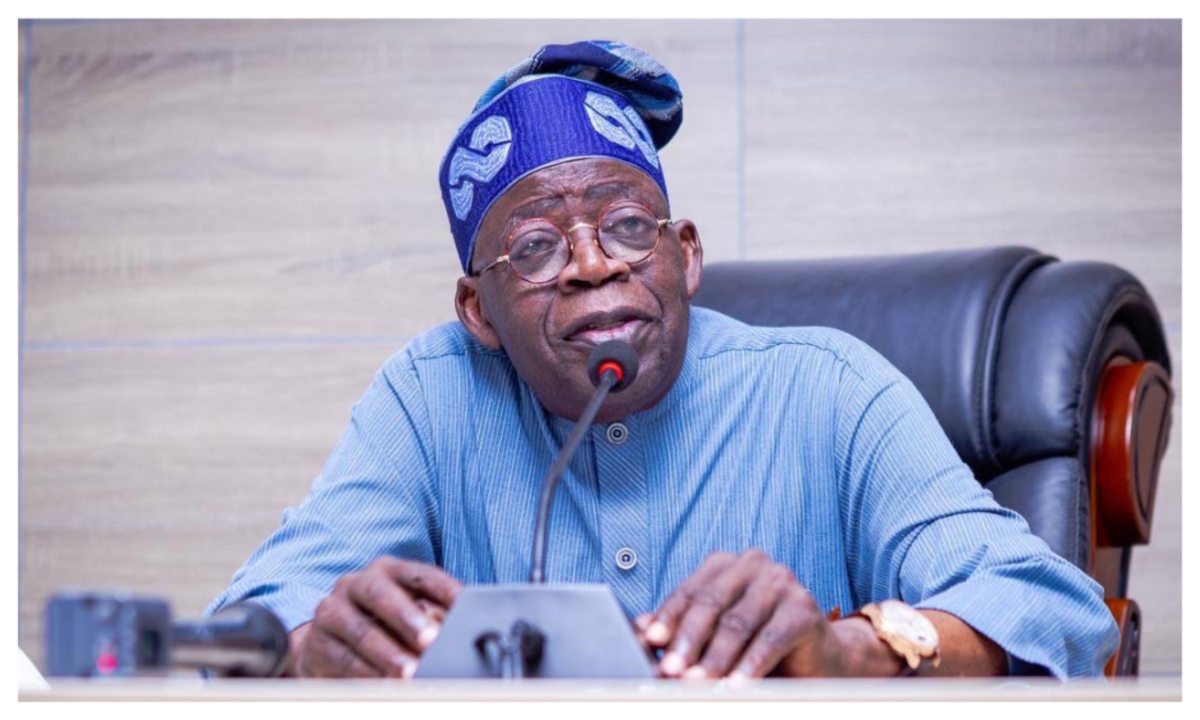

Figures cited by ThisDay show that President Bola Tinubu has approved a one-year extension of the ban on the export of raw shea nuts, effective from February 26, 2026. This policy is designed to force the domestic processing of shea nuts into high-value products like shea butter, which the government claims can fetch up to twenty times the price of the raw commodity on the global market.
Reporting by The Nation indicates that the ban will now remain in place until February 25, 2027. The administration’s “Renewed Hope Agenda” seeks to utilize this period to deepen the processing capacity of local factories and improve the livelihoods of women-led cooperatives in the Savanna belt, where shea trees are most prevalent.
The News Agency of Nigeria (NAN) reported that the Nigerian Commodity Exchange (NCX) has been mandated to oversee all surplus exports, ensuring that “no raw nuts leave the country without proper value-addition frameworks.” Furthermore, BusinessDay noted that the move has been praised by the Manufacturers Association of Nigeria (MAN), with a spokesperson stating, “This policy provides the necessary protection for local industrialization to thrive.”
Echotitbits take: By restricting raw exports, Nigeria is following the “Indonesia model” of resource nationalism. If successful, this could turn the country into a global hub for cosmetic-grade shea butter, but success depends on providing constant electricity and credit to local processors.
Source: Daily Post – https://dailypost.ng/2026/02/26/tinubu-extends-ban-on-export-of-raw-shea-nut/, February 26, 2026
Photo credit: Daily Post