
27.3 C
Lagos
Tuesday, April 7, 2026
Header1
Home Blog Page 36

Rivers Assembly Screens Nine Commissioner-Nominees Amid Political Tensions

0

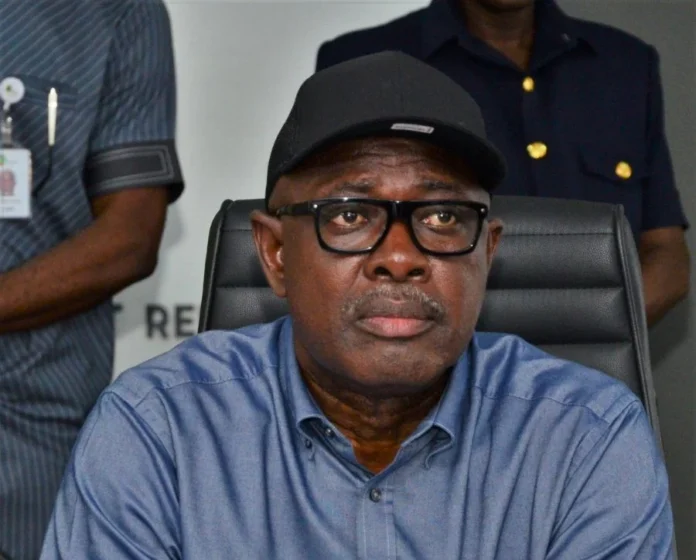
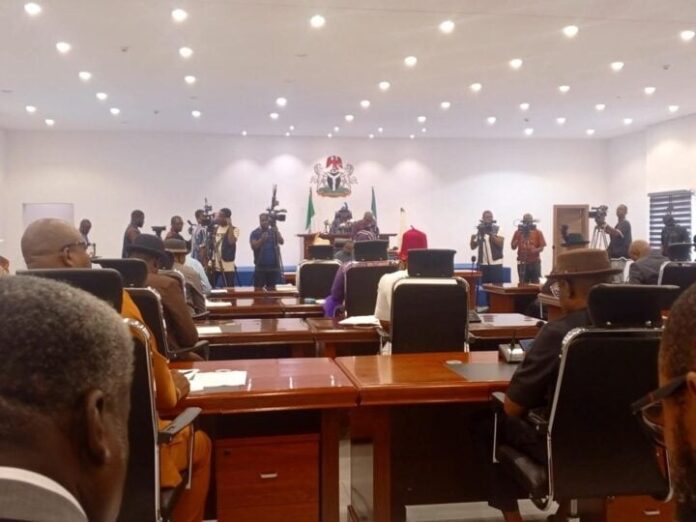
In an update published by Vanguard, the Rivers State House of Assembly has commenced the screening of nine commissioner-nominees sent by Governor Siminalayi Fubara. The move is seen as an attempt to stabilize the state executive council following months of political friction between the Governor and his predecessor.

The nominees include seasoned professionals and former political allies, signaling a mix of continuity and a “fresh start” for the Fubara administration. The screening process is being closely monitored by political stakeholders across the country as a litmus test for the peace accord in the state.

The Nation and Daily Post provided live updates on the screening. The Nation reported that “the atmosphere at the Assembly was tense but orderly,” while Daily Post quoted a lawmaker saying, “We are prioritizing competence over political affiliation in this exercise.”

Echotitbits take: Rivers State is the economic heart of the South-South. Political stability there is non-negotiable for the oil industry. Fubara’s ability to fill these slots suggests he is slowly gaining firmer control over the state’s political machinery.

Source: Arise- https://www.arise.tv/rivers-assembly-to-screen-nine-commissioner-nominees/, March 4, 2026

Photo credit: Arise

Inline1

Diaspora Remittances Threatened by Gulf Tensions

0

Reporting by ThisDay indicates that the World Bank has warned of a potential slump in remittance flows to Nigeria due to the conflict in the Middle East. With thousands of Nigerians working in the Gulf states, the disruption of host economies is expected to reduce the volume of money sent home.

Remittances are a critical source of foreign exchange for Nigeria, often rivaling oil revenue in terms of net impact on the economy. The World Bank report suggests that a prolonged war could lead to job losses for migrant workers, directly affecting millions of households in Nigeria that rely on these transfers for survival.

Vanguard and The Sun also covered the warning. Vanguard noted that “the UAE and Qatar are key hubs for Nigerian tech and service workers,” while The Sun quoted an economist: “A 10% drop in remittances could trigger a mini-recession in the consumption-driven retail sector.”

Echotitbits take: This is a silent crisis. We often focus on oil, but the “human capital export” is just as vital. Nigerians in the diaspora should look for diversified channels for sending funds, while the government must brace for a possible dip in FX liquidity.

Source: The Nation – https://thenationonlineng.net/why-the-escalating-u-s-iran-conflict-matters-to-nigeria/, March 4, 2026

Photo credit: The Nation

Inline1

Middle East Conflict Drives 13% Spike in Nigerian Petrol Prices

0

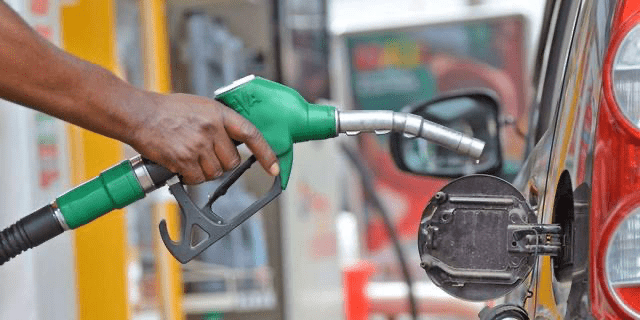
In an update published by BusinessDay, the escalating US-Israel-Iran war has triggered a 13% jump in the gantry price of petrol at the Dangote Refinery and other depots within 48 hours. Although Nigeria is now largely self-sufficient in refining, the global price of crude—the primary input—remains sensitive to the conflict in the Gulf.

The price hike has already begun to trickle down to retail stations, with long queues resurfacing in parts of Lagos and Abuja. Depot owners have expressed concerns that if the Strait of Hormuz remains a flashpoint, shipping and insurance costs will continue to drive prices upward.

Premium Times and The Nation confirmed the price movements at the pump. The Nation reported that “marketers are adjusting prices to reflect the new landing costs,” while Premium Times featured a quote from a logistics expert: “The ‘Hormuz Tax’ is a real threat to our domestic inflation targets.”

Echotitbits take: This is the downside of being tied to global commodity markets. Even with local refining, crude oil is priced in dollars. If the Middle East war sustains high oil prices, the federal government may face renewed pressure to provide “temporary” subsidies to avoid social unrest.

Source: BusinessDay – https://businessday.ng/energy/article/nigerians-feel-pinch-of-us-iran-war-as-petrol-jumps-13-in-48-hours/, March 4, 2026

Photo credit: BusinessDay

Inline1

Nigerian Net Reserves Surge 772% to $34.8 Billion

0

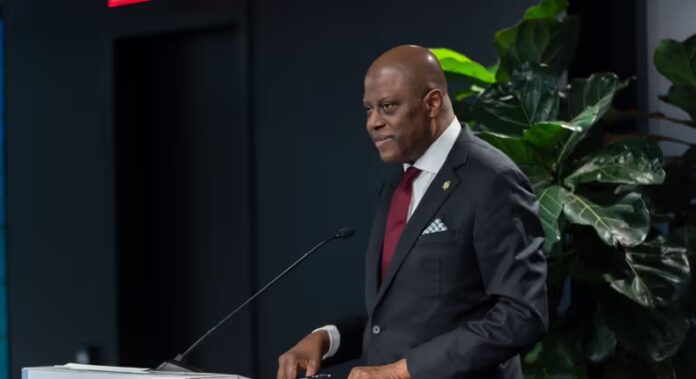
Figures cited by The Punch indicate a massive recovery in Nigeria’s foreign exchange position, with net reserves hitting $34.80 billion. This represents a staggering 772% increase from the lows recorded in previous years, bolstered by improved oil production and the successful unification of the exchange rate.

The Central Bank of Nigeria (CBN) attributed this growth to tighter monetary conditions and a significant reduction in the backlog of foreign exchange obligations. The surge provides a much-needed buffer for the Naira, which has shown relative stability in the first quarter of 2026 despite global geopolitical tensions.

BusinessDay and The Guardian verified these figures in their Wednesday reports. BusinessDay noted that “the reserve growth is the highest in over a decade,” while The Guardian quoted a financial analyst stating, “This liquidity surge is the primary reason the Naira has resisted the shocks of the ongoing Middle East conflict.”

Echotitbits take: Stability is the keyword here. With reserves at this level, the CBN has the “firepower” to intervene in the market if necessary. For businesses, this means more predictable planning and reduced volatility in import costs.

Source: Africa – https://africa.businessinsider.com/local/markets/nigerias-net-reserves-surge-772-to-dollar348bn-as-fx-reforms-boost-buffers/w2gxc0c, March 4, 2026

Photo credit: Africa

Inline1

Tinubu Appoints Taiwo Oyedele as Minister of State for Finance

0

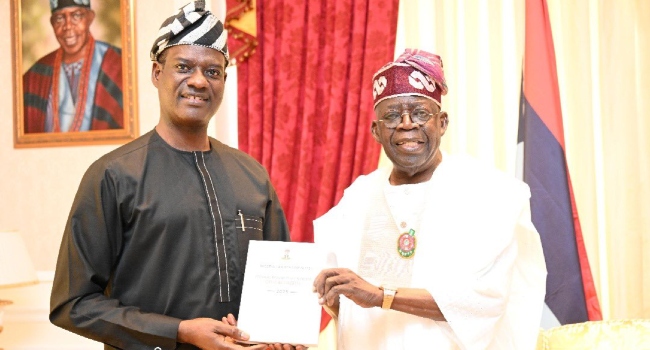
According to reporting by Premium Times, President Bola Tinubu has officially nominated Taiwo Oyedele, the former Chairman of the Presidential Committee on Fiscal Policy and Tax Reform, as the Minister of State for Finance. The move is seen as a strategic step to integrate the comprehensive tax reforms proposed by his committee directly into the federal government’s executive framework.

The nomination, which was transmitted to the Senate for confirmation, marks a transition from Oyedele’s role as a primary architect of Nigeria’s new fiscal landscape to a principal executor. His appointment is expected to fast-track the implementation of the “pro-poor” tax laws currently undergoing legislative review.

The Nation and Daily Post have both confirmed the development, noting the widespread anticipation within the business community. The Nation reports that the appointment is a “bold signal of the administration’s commitment to fiscal discipline,” while Daily Post quoted a source saying, “Oyedele’s transition to the cabinet is the final piece of the puzzle for Nigeria’s tax overhaul.”

Echotitbits take: This is a major win for fiscal hawks. Oyedele has been the face of tax harmonization; his presence in the Ministry of Finance suggests that the era of multiple taxation might finally be coming to an end. Watch for a smoother passage of the Tax Reform Bills in the National Assembly following this appointment.

Source: Channels TV – https://www.channelstv.com/2026/03/03/just-in-tinubu-nominates-taiwo-oyedele-as-minister/, March 4, 2026

Photo credit: Channels TV

Inline1

Nigeria Becomes Africa’s Hub for Indigenous Industrial Growth

0

According to The Nation reporting, the National Agency for Science and Engineering Infrastructure (NASENI) has successfully brokered new partnerships with private investors to begin the mass production of indigenous solar panels and lithium batteries. This move is part of the 2026 industrialization roadmap aimed at reducing reliance on Asian imports for renewable energy components.

The agency disclosed that several “Smart Factories” are nearing completion in three geopolitical zones, which are expected to create over 10,000 technical jobs by the end of the year. This initiative aligns with the government’s goal of achieving a 30% renewable energy mix by 2030.

Vanguard verified the industrial push, reporting that “private sector participation in NASENI projects has increased by 40% in the last year.” Channels TV added that “Nigeria is positioning itself to be a net exporter of solar components to the West African sub-region by 2027.”

Echotitbits take: Localizing the production of solar components is a masterstroke for both energy security and currency preservation. The real test will be maintaining quality standards that can compete with international brands.

Source: VON.GOV – https://von.gov.ng/nigeria-moves-beyond-compliance-targets-industrial-growth-gains/, March 3, 2026

Photo credit: VON.GOV

Inline1

International Economics: US-Iran Tensions Threaten Nigeria’s Fuel Prices

0

Reporting by The Guardian indicates that the escalating conflict between the United States and Iran in the Gulf region is beginning to impact global oil prices, creating a double-edged sword for Nigeria. While the rise in crude prices increases government revenue, it also exerts upward pressure on the landed cost of petrol.

Local analysts warn that if the conflict persists, the Dangote Refinery and other local producers may be forced to adjust ex-depot prices further. This development comes just as the Nigerian government is attempting to stabilize domestic inflation, which had finally begun a downward trend.

BusinessDay validated the concerns, noting that “shipping insurance rates for tankers in the Gulf have tripled, impacting global logistics.” Tribune also reported on the fallout, quoting an energy expert: “Nigeria must accelerate its gas-to-power transition to insulate the local economy from these recurring Middle East shocks.”

Echotitbits take: Nigeria is in a precarious position where “high oil prices” are no longer an unalloyed blessing due to our continued dependence on imported (or locally refined but dollar-indexed) fuel. Watch the pump price closely in the coming weeks.

Source: The Punch – https://punchng.com/iran-us-conflict-may-raise-nigerias-fuel-prices/, March 3, 2026

Photo credit: The Punch

Inline1

Security Alert: Police Deploy New ‘Tactical Units’ Following Communal Clashes

0

According to Daily Post reporting, the Inspector General of Police has ordered the immediate deployment of specialized tactical units to hotspots in Lagos and Ondo states following recent communal violence and the death of a community leader. The move is part of a broader “National Security Stabilization” strategy aimed at curbing cultism and land-related disputes.

The police high command has also announced a renewed crackdown on illegal weekend street racing in the Federal Capital Territory (FCT), citing safety concerns and noise pollution. These operations are intended to reassure the public of the government’s commitment to law and order amidst rising localized tensions.

Channels TV reported on the deployment, stating that “over 500 personnel have been moved to the outskirts of Lagos to maintain the peace.” Vanguard corroborated the security surge, quoting a police spokesperson: “We will not tolerate any group taking the law into their own hands; these units have a zero-tolerance mandate for violence.”

Echotitbits take: Security remains the “Achilles’ heel” of the current administration’s economic plans. While tactical deployments offer short-term relief, the long-term solution lies in resolving the underlying land and communal grievances.

Source: The Punch – https://punchng.com/one-dead-seven-arrested-in-lagos-communal-clash-police/, March 3, 2026

Photo credit: The Punch

Inline1

Fiscal Shift: Federal Government Initiates Direct Oil Revenue Remittances

0

Reporting by The Nation indicates that the Federal Government has officially commenced the direct remittance of oil revenues to the Federation Account Allocation Committee (FAAC) in line with Executive Order 9. This move effectively bypasses previous bureaucratic bottlenecks that allowed the national oil company to withhold significant portions of revenue for “operating costs” before distribution.

This policy shift is designed to ensure that state and local governments receive their fair share of the country’s oil wealth in a more timely and transparent manner. The Presidency has described the order as a “test of fiscal transparency,” aimed at curbing the opaque accounting practices that have historically plagued the petroleum sector.

Channels TV verified the implementation, reporting that “the first batch of direct payments hit the federation account this morning, signaling a new era of accountability.” The Guardian also highlighted the development, quoting a government spokesperson: “We are closing the loophole where billions were lost to ‘unreconciled’ expenses at the source.”

Echotitbits take: By ensuring direct flow to the FAAC, the Federal Government is placing more financial power (and responsibility) in the hands of Governors. The next thing to watch is how states utilize this increased liquidity and whether it translates to grassroots development.

Source: The Nation – https://punchng.com/executive-order-fg-begins-direct-remittance-of-oil-revenues-to-faac/, March 3, 2026

Photo credit: The Nation

Inline1

Massive Surge: Nigeria’s Net Foreign Reserves Hit $34.8 Billion Mark

0

According to Premium Times reporting, Nigeria’s net foreign exchange reserves have experienced a dramatic nine-fold increase over the last 24 months, climbing to $34.80 billion. This recovery is attributed to a combination of aggressive monetary tightening, the unification of the exchange rate, and significantly improved crude oil remittance structures under new executive directives.

The surge marks a turning point for the Central Bank of Nigeria (CBN), which had previously grappled with transparency issues regarding its actual liquid holdings. Officials suggest that this buffer will provide the necessary ammunition to defend the Naira against speculative attacks and ensure the stability of the foreign exchange market throughout the 2026 fiscal year.

Validation of this milestone was provided by BusinessDay, which noted that “this 772% jump in net reserves since 2024 represents the strongest liquidity position the country has held in nearly a decade.”

Similarly, The Punch confirmed the figures, quoting a financial analyst who stated, “The transparency in reporting net reserves rather than just gross figures is a major win for investor confidence.”

Echotitbits take: This liquidity cushion is vital for the 2026 economic outlook. Watch for the CBN to potentially ease interest rates in the coming quarters if this reserve level remains stable, as the pressure to “defend the Naira” at any cost begins to diminish.

Source: BusinessDay – https://businessday.ng/business-economy/article/nigerias-net-reserves-surged-nearly-9-fold-to-34-8bn-in-just-two-years/, March 3, 2026

Photo credit: BusinessDay

Inline1