Tag: agriculture

  • Nigeria Expands Food Security Drive with Largest Global Biofortified Crop Portfolio

    Nigeria Expands Food Security Drive with Largest Global Biofortified Crop Portfolio

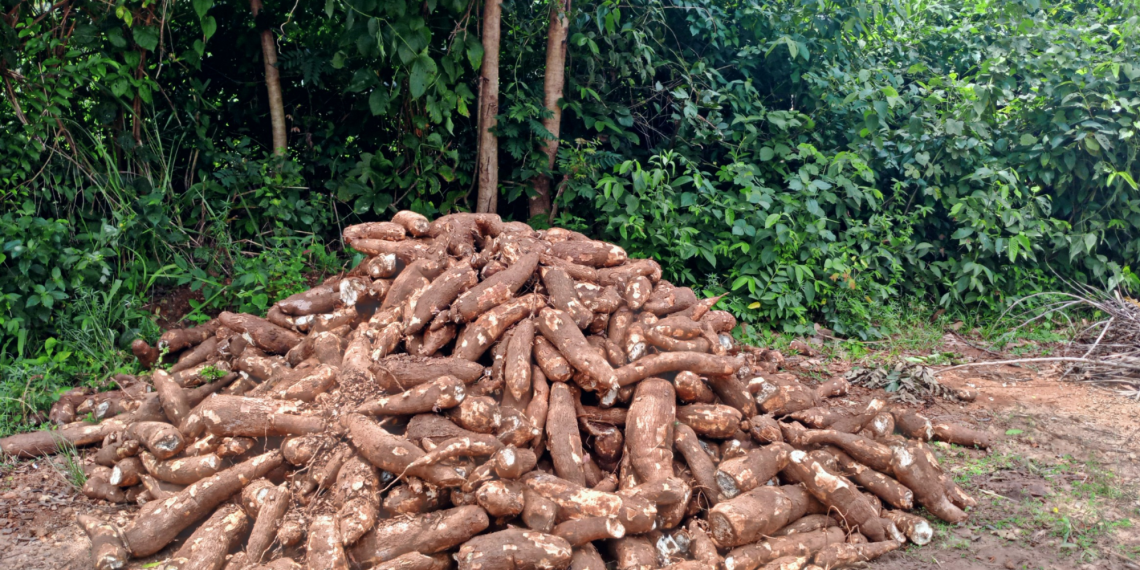
    Reporting by Premium Times indicates that the Nigerian government has reaffirmed its commitment to nutrition security by aggressively expanding the cultivation of biofortified crops. The Permanent Secretary of the Federal Ministry of Agriculture and Food Security, Marcus Ogunbiyi, revealed that Nigeria now holds the largest portfolio of these crops globally. This strategy aims to combat “hidden hunger” by providing essential vitamins and minerals through staple foods like cassava, maize, and sweet potatoes.
    The announcement was made during a national workshop in Kano, where officials highlighted the role of biofortification in reducing malnutrition-related illnesses. By integrating these crops into the national food system, the government hopes to improve the health of millions of Nigerians, particularly children and pregnant women in rural areas.
    Stakeholders at the event emphasized the need for better seed distribution networks to ensure that smallholder farmers can access these improved varieties. The government is partnering with international agricultural organizations to provide technical support and scale up production across the six geopolitical zones.
    Vanguard verified the initiative, reporting that the government is also linking biofortified crop production to the National Home-Grown School Feeding Programme. A nutrition specialist quoted in The Guardian said, “Biofortification is a cost-effective way to deliver micronutrients to the most vulnerable populations.” Daily Trust also covered the workshop, quoting a farmer who stated, “These new varieties are not just healthy; they are yielding better than our traditional seeds.”
    Echotitbits take: This is a major win for Nigeria’s agricultural sector. Beyond health, this move positions Nigeria as a leader in African agritech. The next challenge will be ensuring these crops reach the market at competitive prices to displace less nutritious alternatives.
    Source: Premium Times – https://www.premiumtimesng.com/agriculture/agric-news/856749-nigerian-govt-commits-to-adoption-of-biofortified-crops.html, and February 15, 2026
    Photo credit: Premium Times

  • Federal Government Unveils Farmer Moni Scheme to Boost National Food Security

    Federal Government Unveils Farmer Moni Scheme to Boost National Food Security

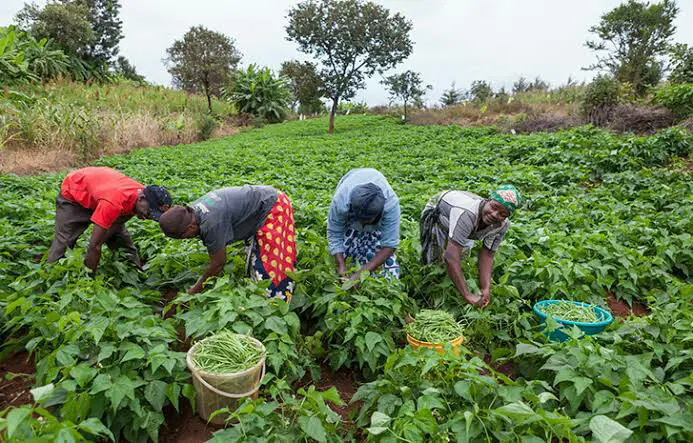
    Figures cited by The Nation show that the Federal Government has officially launched the “Farmer Moni” Dry/Wet Season Programme, alongside the Renewed Hope Government Enterprise and Empowerment Programme (RH-GEEP 3.0). The initiative is a cornerstone of the administration’s social investment strategy, aimed at providing direct financial support to 300,000 farmers across the country.

    Reporting by the same outlet highlights that the program is designed to bridge the funding gap for smallholder farmers, particularly in the face of rising input costs and climate-related challenges. The funds are expected to be utilized for the procurement of high-yield seeds, fertilizers, and modern farming equipment to enhance agricultural productivity.

    The Ministry of Humanitarian Affairs and Poverty Alleviation, which oversees the project, emphasized that the selection process was digitized to ensure transparency and eliminate middle-men. This move is seen as a vital step in mitigating the current food inflation crisis and ensuring a steady supply of staples in the domestic market.

    Tribune Online and Daily Post validated the launch, emphasizing the regional distribution of the funds. Tribune Online mentioned that “the program leads a global push for youth and women investment,” while Daily Post reported a government spokesperson saying, “our goal is to make farming a profitable business for the grassroots.”

    Echotitbits take: While the Farmer Moni scheme is a welcome relief, its success hinges on efficient disbursement and the security of the farmlands. Insecurity remains the biggest threat to agricultural output in Nigeria; without addressing the “mining marshals” and banditry issues, financial aid alone may not lower food prices.

    Source: Vanguard – https://www.vanguardngr.com/2026/02/fg-launches-n300000-interest-free-loans-for-22000-farmers-opens-portal-across-774-lgas/, February 13, 2026

    Photo credit: Vanguard

  • NSDC and NEXIM Partner to Secure $2 Billion Funding for Sugar Industry

    NSDC and NEXIM Partner to Secure $2 Billion Funding for Sugar Industry

    In an update published by The Punch, the National Sugar Development Council (NSDC) and the Nigerian Export-Import Bank (NEXIM) have entered a strategic partnership to revolutionize Nigeria’s sugar sector. The agreement, finalized in Abuja, aims to secure long-term financing through an Engineering, Procurement, Construction, and Financing (EPCF) model. This framework is designed to support commercially viable sugar projects that can meet the domestic demand, currently valued at approximately $2 billion.

    Under the new arrangement, the NSDC will focus on preparing investment-ready projects and assisting with equity raises. Meanwhile, NEXIM Bank will leverage its international network to attract funding from export credit agencies and development finance institutions. The partnership also includes safeguards such as risk insurance and guarantees to protect investors. This move is part of a broader government policy to reduce dependency on imported sugar and boost local production capacity.

    Executive Secretary of the NSDC, Kamar Bakrin, highlighted that the continental sugar market in Africa is nearing $7 billion, presenting a massive export opportunity for Nigeria. He emphasized that the industry requires “sustained, large-scale financing” rather than short-term loans to achieve the goals of the Nigerian Sugar Master Plan. The collaboration is expected to create thousands of jobs and stimulate growth in the agricultural and manufacturing sectors.

    Validating the report, ThisDay noted that “this partnership is a cornerstone of the FG’s industrialization drive,” while Daily Trust quoted a NEXIM official saying, “We are ready to provide the financial buffers needed to make Nigeria a sugar-exporting hub.”

    Echotitbits take: If successful, this could be a game-changer for Nigeria’s balance of trade. The sugar industry has long been under-capitalized despite the existence of a Master Plan. The focus on the EPCF model suggests a more structured approach to infrastructure development in the sector.

    Source: The Cable – https://www.thecable.ng/sugar-council-nexim-partner-on-long-term-financing-to-curb-import-dependence/, February 12, 2026

    Photo credit: The Cable

  • Lagos Experts Warn of Erratic Weather and Heatwaves in 2026

    Lagos Experts Warn of Erratic Weather and Heatwaves in 2026

    In an update published by The Punch, environmental scientists and health experts have warned that Nigeria is entering a period of extreme climate unpredictability. Unusual rainfall patterns observed in Lagos and Ogun states during January and early February are being cited as clear indicators that traditional seasonal cycles have been disrupted by global warming.

    Mr. Ahoton James, Director of Environmental Service at the Lagos State Primary Healthcare Board, noted that the absence of a traditional harmattan season in late 2025 and early 2026 is a significant red flag. The experts predict that the country may face intense heatwaves and unseasonable flooding, which could severely impact food security and public health.

    The changing climate is already affecting agricultural planning, as farmers who rely on predictable rain cycles are finding it difficult to time their planting. This volatility is expected to persist throughout the year, necessitating a shift in national disaster management strategies.

    Validating reports from Vanguard and Daily Trust emphasize these concerns, with Vanguard quoting a meteorologist who said, “We are seeing the 2026 weather calendar being rewritten by carbon footprints,” while Daily Trust noted that “Northern states must prepare for record-breaking temperatures this summer.”

    Echotitbits take: The failure of the harmattan and early rains in the south are not just anomalies; they are economic risks. Expect a spike in cooling costs and potential volatility in food prices if the heatwaves affect the early planting season.

    Source: The Cable – https://www.thecable.ng/heat-like-hell-fire-strange-weather-angry-water-what-nigerians-call-climate-change/, February 8, 2026

    Photo credit: The Cable

  • Nigeria Moves to Terminate Rice Importation Windows to Protect Local Farmers

    Nigeria Moves to Terminate Rice Importation Windows to Protect Local Farmers

    Nigeria is moving to shut down rice import windows following a national policy review that reportedly found imports have created surplus supply, depressing prices and worsening losses for domestic farmers.

    Officials linked to the Presidential Food Systems Coordinating Unit reportedly stated that maize and rice farmers recorded negative margins during the 2025 wet season, driven by high production costs and weak sale prices. The government’s new direction is expected to prioritize local production while introducing price protection mechanisms to safeguard farmer livelihoods and preserve national food security.

    Supporters argue the policy reset will stabilize rural incomes and reduce exposure to import shocks. Critics caution that if local output cannot meet demand, consumers—particularly in urban centers—could face renewed price pressures. Separate reporting has also referenced national food balance figures indicating a notable surplus in late 2025.

    Echotitbits take: This is a return to protectionist policies. While it helps farmers, the government must ensure that local supply is actually sufficient to prevent a price spike for consumers in urban areas.
    Source: BusinessDay – https://businessday.ng/news/article/nigeria-to-shut-rice-import-windows-as-data-exposes-farmers-losses/ 2026-01-26

    Photo Credit: BusinessDay

  • Macro-Strategy: VP Shettima Reclassifies Food Security as National Security

    Macro-Strategy: VP Shettima Reclassifies Food Security as National Security

    Macro-Strategy: VP Shettima Reclassifies Food Security as National Security

    Vice President Kashim Shettima says Nigeria is now treating food security as a core national security and macroeconomic priority, unveiling a ‘Back to the Farm’ push aimed at reducing inflation and food-import FX pressure.

    Additional coverage across Nigerian media and stakeholder reactions indicate that the implications of the development will be closely watched in the coming days as policy, security, and market signals evolve.

    Echotitbits take: Framing food as a security issue allows the government to deploy more resources and potentially protect farming clusters more aggressively. Success depends on whether food-basket regions are actually made safe from banditry.

    Source: Channel TV – https://www.channelstv.com/2025/07/30/nigerias-target-is-to-attain-food-sovereignty-shettima/ (2026-01-22)

    Photo credit: Channel TV

    2026-01-22 13:00:00


  • The Gambia’s national university renames its agriculture school after Akinwumi Adesina

    The Gambia’s national university renames its agriculture school after Akinwumi Adesina

    The Gambia’s national university renames its agriculture school after Akinwumi Adesina

    According to Africa Newsroom (via APO Group), the University of The Gambia has renamed its School of Agriculture and Environmental Sciences in honour of Dr. Akinwumi Adesina, citing his long-standing impact on agriculture and development across Africa.

    The move positions the faculty as a symbolic rallying point for food-security research, climate-smart agriculture, and youth-focused agripreneurship—areas that continue to dominate policy conversations across West Africa.

    It also signals a reputational bet: when institutions attach a global development figure’s name to a school, stakeholders expect the standard to rise—through partnerships, research output, and funding.

    Punch also reported the renaming and quoted Adesina’s reaction, including the phrase “deep sense of gratitude.” The Guardian Nigeria similarly confirmed the development, noting the university “renamed its School” in his honour.

    Echotitbits take:
    This is soft power turning into institutional opportunity. Watch for what follows the ceremony—new grants, exchange programmes, and targeted research labs that can turn the name into measurable outcomes.

    Source: The Punch — January 2, 2026 — https://punchng.com/the-gambia-varsity-renames-faculty-after-ex-afdb-president-adesina/
    The Punch 2026-01-02

    Photo Credit: The Punch

  • Cashew Farmers Push Back Against Export Restriction Plans, Warn of Income Shock

    Cashew Farmers Push Back Against Export Restriction Plans, Warn of Income Shock

    2025-12-30 17:00:00

    In an update published by Punch, cashew farmers under the National Cashew Association of Nigeria urged the Federal Government to drop proposals to restrict or ban raw cashew exports, warning it could hurt livelihoods and non-oil export earnings.

    Stakeholders argue Nigeria lacks sufficient processing capacity to absorb output, meaning a clampdown could depress farm-gate prices and trigger job losses across trading and logistics chains.

    Supporters of restrictions say processors need protection from foreign buyers, but opponents insist the better fix is investment in processing plants, not an export ban.

    The Guardian quoted a stakeholder warning, “If the government bans raw cashew export, 95 per cent of what we produce will be left to rot.” NCAN’s Dr Joseph Ajanaku was quoted saying, “we can’t accept that and you cannot ban the export of raw cashew nuts in Nigeria.”

    Echotitbits take: If value-add is the goal, sequencing matters—processing capacity first, restrictions later (if ever). Watch for incentives (tax breaks, credit, export-processing zones) that expand local processing without crushing rural incomes.

    Source: The Punch— December 29, 2025 (https://punchng.com/cashew-farmers-oppose-export-ban/)

    The Punch 2025-12-29

    Photo Credit: The Punch

  • Sanwo-Olu Promises to Revive Organic Farm in Badagry to Boost Food Security

    Sanwo-Olu Promises to Revive Organic Farm in Badagry to Boost Food Security

    Lagos State Governor, Babajide Sanwo-Olu, Friday visited Badagry, where he promised to revive a 279-hectare Avia-Igborosun Organic Farm, which was acquired by the state government in 2012 for commercial agricultural project.

    He assured that his administration was ready to revive the abandoned farmland for the take-off of Lagos State Food Production Park project.

    The governor disclosed that the state would be engaging private sector to secure an investment into the project, which, when completed, he said, would create thousands of direct jobs and improve the wellbeing of the residents.

    READ ALSO:

    Sanwo-Olu’s Wife to Mothers: Embrace exclusive breastfeeding to improve child growth

    “I have been fully briefed about this project but I considered it necessary to personally embark on this journey to Badagry in order to take assessment and see what exactly we need to do in terms of intervention.

    “After taking a tour of the project site, what I observed is that the entire project looks more as a job that has not been completed. Therefore, we need to improve on the interventions to the Ministry of Agriculture.

    “With very minimal resources, we have seen what the ministry has done to keep the project afloat. Government will raise the resources and turn around this project to the level it should be. We will need to deploy more resources to revive and scale up all the machinery and systems put already in place. We will complete the project and open it for commercial production,” he said.

    The governor added that the revival of Badagry Organic Farm and creation of more food production parks across the state were part of the strategies designed by his administration to increase food security level from 20 per cent to 50 per cent, thereby raising Lagos’ food sufficiency.

    He noted that the project would give rise to similar agro-allied businesses that would open up Badagry’s economy for more growth, while also boosting its tourism business.

    Sanwo-Olu said: “Lagos is a big state in terms of population, but we also can intervene in our food production value chain. What we are also trying to do with the revival of the project is that, we want to produce various agricultural products we can consume internally in order to reduce our dependence on external food sources. The Food Production Park, which we are creating across the state, will be a trigger to other value-added agricultural production our citizens can provide.”

    As part of the move to turn around the Organic Farm, Sanwo-Olu promised a total rehabilitation of Igborosun Road that leads to the farm.

    Some of the agricultural projects to be developed for commercial production in the organic farm include fishing, poultry, piggery and agro-forestry, among others.

    Sanwo-Olu also inspected a 105-bed Mother and Child Care (MCC) recently completed by the state government in the premises of Badagry General Hospital. The MCC would be commissioned in September, the governor assured.

    READ ALSO:

    Edo Assembly Crisis: Tinubu berates Obaseki, says he’s dictatorial

    During a tour of the hospital, Sanwo-Olu proposed an expansion of the Accident and Emergency Department. The project, he said, would take off in the next nine months.

    The governor also stopped at Marina area of Badagry town, where the state government would be building a modern jetty. The project, Sanwo-Olu explained, was part of his administration’s blueprint to promote waterways transportation across the state.

    Photos:

    Idowu Sowunmi

  • Lagos intensifies economic growth, gives 2000 people grants, empowers 2743 farmers

    Lagos intensifies economic growth, gives 2000 people grants, empowers 2743 farmers

    Another set of beneficiaries have emerged under the social inclusion programme initiative of the Lagos State Government which empowers indigent members of the society for economic independence and self-sufficiency.

    The Special Adviser to the Governor on Civic Engagement, Princess Aderemi Adebowale, stated this during the disbursement of the funds to 217 beneficiaries at the Adeyemi-Bero Auditorium, Secretariat, Alausa.

    READ ALSO: Jonathan briefs Buhari on Mali crisis, expresses gratitude for name on railway complex

    The programme, tagged ‘Eko Cares’, is aimed at actualising the Greater Lagos project of Governor Babajide Sanwo-Olu’s administration, through social inclusion and making Lagos a 21st Century economy.

    She explained that the programme, which is designed as a form of financial assistance to 2, 000 beneficiaries from all the Local Governments and LCDAs, will grant each beneficiary the sum of N20,000 to invest in economic activities that would guarantee a quick turnover.

    Adebowale stated that the impact of the exercise, which is being supervised by her office, is expected to stimulate micro-economic activities, promote a sense of belonging, reduce tension in the communities and enhance self-reliance.

    She added that the beneficiaries would also be exposed to business and investment opportunities requiring minimal start-up capital.

    READ ALSO: Lawan, Gbajabiamila, Tinubu, Sanwo-Olu, Abiodun mourn Isa Funtua

    Adebowale noted further that many companies producing fast-moving consumer products have keyed into the programme.

    The Special Adviser, however appealed to the beneficiaries not to abuse the privilege, as successful participants will benefit more from mentoring from partners, who would closely monitor each beneficiary and give progress reports and recommendations for further empowerment funds.

    In a similar development, the Lagos State Government says about 2,743 farmers in the state will next week Tuesday receive inputs and productive assets under the State Government 2020 Agricultural Value Chains Empowerment Programme.

    The State Acting Commissioner for Agriculture, Abisola Olusanya, who disclosed this on Wednesday, July 22, 2020 in Lagos, explained that farmers, agro-processors, fishermen, butchers and marketers would all benefit from the empowerment programme as productive assets peculiar to all the agricultural value chains would be made available to them at no cost.

    According to her, the Agricultural Value Chains Empowerment Programme has been designed as a means of channeling the needed support to small-holder farmers who are actively engaged in the various Agricultural Value Chains thereby creating further wealth and job opportunities in farming communities.

    Olusanya explained that the aim of the empowerment programme was to provide the necessary inputs and assets needed by farmers to improve food production in the State in an effort targeted toward increasing the State’s self-sufficiency to 40% of food needs by 2023.

    “The overall aim of the Agric Value Chains Empowerment Programme is to provide the necessary agricultural inputs & productive assets to farmers as a means of achieving improved food production & supply as well as delivering optimum economic benefits to farmers and other operators.

    READ ALSO: NCDC increases testing lab to 58 as Chinese-made vaccine raises hope

    “The Empowerment Programme would further contribute to the achievement of the vision of ‘Making Lagos a 21st Century Economy’ and also the attainment of United Nations’ Sustainable Development Goals 1, 2, 5, 8, 10, 12, 13, 14, 15 and 17 of no poverty zero hunger, gender equality, decent work and economic growth, reduced inequality, responsible consumption and production, climate action, life below water, life on land as well as partnership to achieve the goal would be met”, she said.

    By Tobiloba Kolawole