Tag: economic growth

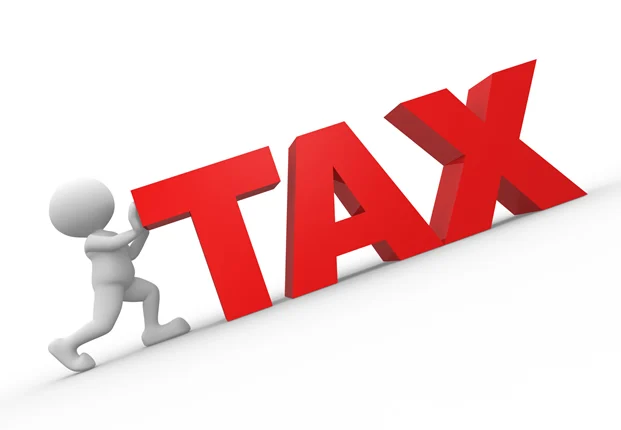
  • Capital Gains Tax Collections Hit Historic ₦522 Billion Milestone

    Capital Gains Tax Collections Hit Historic ₦522 Billion Milestone

    Figures cited by The Punch reveal that Nigeria’s Capital Gains Tax (CGT) revenue reached an unprecedented ₦522 billion in the 2025 fiscal year. This surge represents a significant leap in non-oil tax revenue, reflecting the government’s aggressive drive to expand the tax base and improve compliance across the financial and real estate sectors. The record-breaking figure is being hailed by fiscal authorities as a sign of deepening economic formalization.
    The growth is largely attributed to the recovery of the Nigerian Exchange (NGX) and a flurry of high-value property transactions in major urban centers like Lagos and Abuja. Additionally, the Federal Inland Revenue Service (FIRS) has implemented more robust digital tracking mechanisms to ensure that gains from the disposal of assets are accurately captured and taxed.
    Despite the impressive numbers, some economic analysts express concern that the increased tax burden could deter long-term investment. However, government officials maintain that the revenue is essential for funding critical infrastructure projects and reducing the national budget deficit.
    Validating these figures, Leadership reported that the FIRS is looking to further automate the CGT collection process in 2026. A tax consultant quoted in Vanguard remarked, “The ₦522 billion mark shows that the government is finally looking beyond traditional sectors for revenue.” Furthermore, Daily Post cited a government spokesperson who noted, “This milestone is a testament to the effectiveness of recent fiscal reforms aimed at achieving a sustainable debt-to-revenue ratio.”
    Echotitbits take: This revenue spike is a double-edged sword. While it helps the government’s liquidity, it may cool down the heated real estate market. Watch for potential pushback from the private sector as the FIRS looks to tighten the net on digital asset gains next.
    Source: The Punch – https://punchng.com/capital-gains-tax-jumps-429-to-n12-18bn/, and February 15, 2026
    Photo credit: The Punch

  • NESG Report Links Slow Business Growth to High Taxes and Fuel Costs

    NESG Report Links Slow Business Growth to High Taxes and Fuel Costs

    Reporting by Vanguard indicates that the Nigerian Economic Summit Group (NESG) has identified rising tax burdens and fuel price adjustments as the primary drivers behind a slowdown in business growth during January 2026. According to the latest Business Confidence Monitor (BCM) report, business optimism has hit a six-month low as enterprises struggle with the rising cost of operations.

    The report emphasizes that while the government’s reform agenda is necessary for long-term stability, the immediate impact on small and medium enterprises (SMEs) has been severe. The NESG warns that without targeted interventions to cushion the effects of these fiscal policies, the pace of industrial productivity may continue to decline in the first quarter of the year.

    Validation from Channels TV and The Nation underscores these concerns. Channels TV reports that “the manufacturing sector is feeling the pinch of energy costs,” with a spokesperson for the Manufacturers Association of Nigeria (MAN) stating, “We are operating at the edge of viability due to the triple threat of fuel, power, and taxes.” The Nation also cites the report, quoting an economist who notes, “The government must balance its revenue drive with the survival of the private sector to avoid a stagflation scenario.”

    Echotitbits take: The NESG report is a wake-up call for the fiscal authorities. While tax reforms are essential for reducing the budget deficit, the timing and execution are hitting the productive sector hard. Watch for a potential review of tax incentives or a push for more “pro-growth” adjustments in the coming mid-year budget review.

    Source: BusinessDay – https://businessday.ng/business-economy/article/cost-of-doing-business-rises-to-90-5-in-january-on-tax-reforms-fuel-price-adjustments/?utm_source=auto-read-also&utm_medium=web&amp, February 4, 2026

    Photo credit: BusinessDay

  • Nigeria and United States Reinforce Strategic Trade and Investment Ties

    Nigeria and United States Reinforce Strategic Trade and Investment Ties

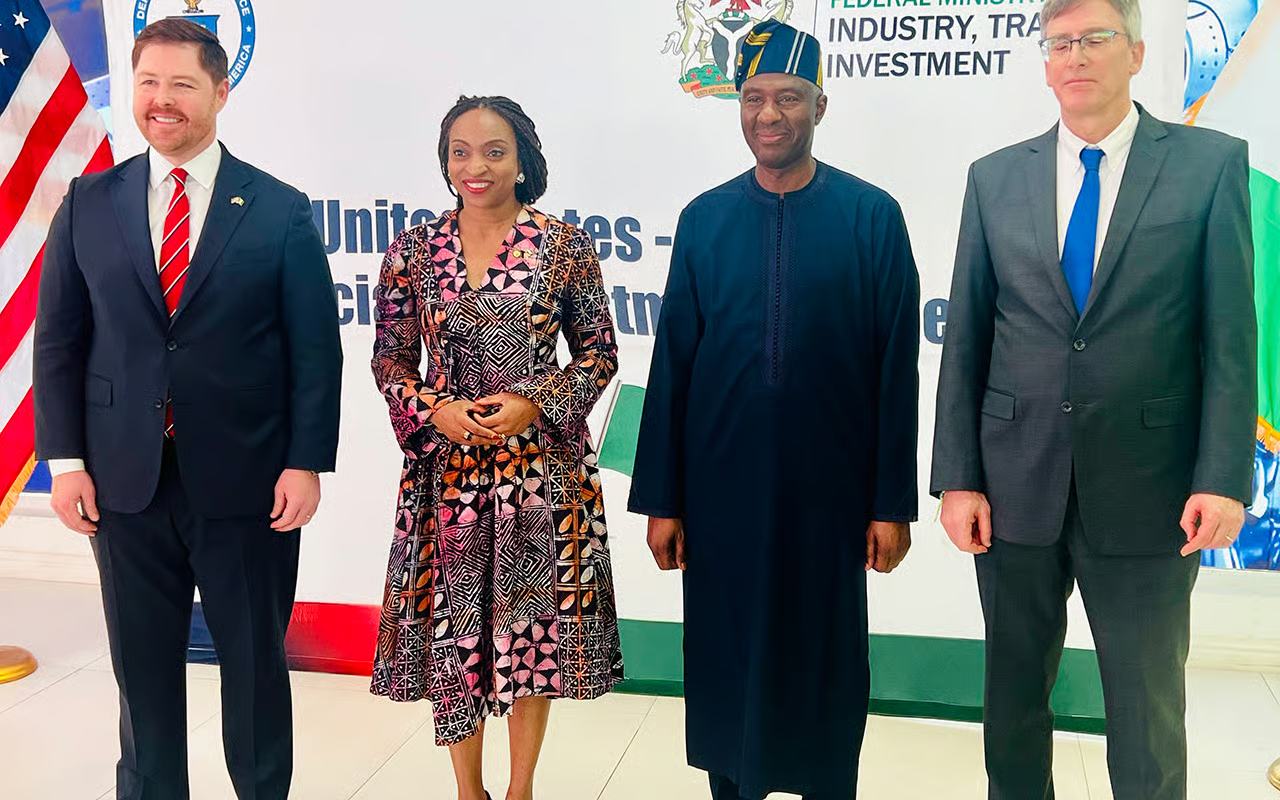
    The Guardian reports that Nigeria and the United States reaffirmed plans to deepen bilateral economic relations after a high-level Commercial and Investment Partnership meeting in Lagos.

    Nigeria’s Minister of Industry, Trade and Investment, Dr. Jumoke Oduwole, said the engagement is intended to streamline trade processes and attract sustainable U.S. capital into emerging sectors.

    Discussions reportedly centered on agriculture, the digital economy, and manufacturing, with both sides looking to reduce trade barriers and improve investor confidence through policy consistency.

    Channels TV and BusinessDay also covered the meeting, noting expectations of a more predictable operating environment for U.S. firms and potential FX benefits tied to stronger commercial flows.

    Echotitbits take: The timing is strategic as Nigeria tries to diversify away from crude oil. The reported involvement of U.S. agriculture-linked stakeholders hints at food-security collaboration via technology transfer. Watch for follow-on instruments such as export incentives for non‑oil products and targeted investor protections.

    Source: The Guardian – https://guardian.ng/business-services/nigeria-u-s-remain-committed-to-economic-ties-says-oduwole/ 2026-01-30

    Photo Credit: The Guardian

  • Presidential Incentives Target Multibillion-Dollar Shell Bonga Southwest Project

    Presidential Incentives Target Multibillion-Dollar Shell Bonga Southwest Project

    Presidential Incentives Target Multibillion-Dollar Shell Bonga Southwest Project

    Reporting by The Nation indicates that President Bola Tinubu has approved a suite of targeted fiscal incentives to catalyze investment in major deep offshore oil projects, specifically focusing on Shell’s Bonga Southwest development. The move is intended to unlock thousands of jobs and ensure a steady inflow of foreign exchange. The President emphasized that these are “disciplined and globally competitive” measures rather than blanket tax holidays.

    The incentives are structured to make Nigeria’s energy sector more attractive to international oil companies (IOCs) who have recently pivoted toward other African frontiers. During a meeting with Shell’s Global CEO, Wael Sawan, the Presidency highlighted that Shell and its partners have already committed nearly $7 billion to various Nigerian projects over the past 13 months. This new policy framework is expected to accelerate the Final Investment Decision (FID) for Bonga Southwest.

    Validation from Vanguard shows that industry analysts see this as a turning point for the petroleum sector, with one expert stating that policy stability is critical for restoring long-term upstream confidence. Additionally, Channels TV reported that the government expects the project to generate sustained revenue over the life of the asset. Shell’s CEO remarked that Nigeria’s investment climate has improved, giving the company confidence to evaluate longer-term horizons.

    Echotitbits take: After years of divestment talk, this is a major signal to Nigeria’s upstream sector. The focus on targeted rather than blanket incentives suggests a more sophisticated approach to balancing investor needs with national revenue. The immediate impact will be on FX stability if these projects move from paper to production.

    Source: The Punch — https://punchng.com/shells-5bn-bonga-swest-project-gets-presidential-support/ (2026-01-23)

    Photo Credit: The Punch 2026-01-23

  • Strategic Plan Unveiled to Hits 1.8 Million Barrels Per Day Production Goal

    Strategic Plan Unveiled to Hits 1.8 Million Barrels Per Day Production Goal

    In an update published by BusinessDay, Nigeria’s ambition to reach a crude oil production target of 1.80 million barrels per day (bpd) in 2026 is reportedly contingent on fixing aging infrastructure and securing new export routes. While over $16 billion in investment commitments have been secured since 2023, experts warn that chronic pipeline theft and ‘infrastructure bottlenecks’ remain significant hurdles. The report highlights that the Nigerian Upstream Petroleum Regulatory Commission (NUPRC) recorded an average production of 1.66 million bpd toward the end of 2025. To bridge the gap, the government is looking to activate newly approved export infrastructure and leverage improved security measures in the Niger Delta. Further validation comes from Premium Times and The Nation. Premium Times reported that the ‘NNPCL seeks pipeline communities’ support’ to meet the new budget targets, while The Nation quoted industry analysts saying, ‘securing evacuation routes’ is the primary challenge for the year.

    Echotitbits take: Reaching 1.8m bpd is the ‘holy grail’ for Nigeria’s 2026 fiscal stability. If the government can successfully secure the pipelines and integrate new investments, the resulting forex influx could stabilize the Naira. However, the reliance on mature fields means that brownfield optimizations must happen immediately.

    Source: Guardian – https://guardian.ng/energy/crude-oil-production-hits-1-8m-barrels-per-day-nuprc/ January 6 2026

    Photo Credit: Guardian

  • Tinubu says 2026 begins a “more robust phase” for Nigeria’s economic growth

    Tinubu says 2026 begins a “more robust phase” for Nigeria’s economic growth

    2026-01-01 07:35:00
    According to Vanguard, President Bola Tinubu said 2026 would mark the beginning of a more robust phase of economic growth as reforms mature.

    The messaging positions recent macro decisions—subsidy removal, FX changes, and fiscal tightening—as a bridge from instability toward higher growth and investor confidence.

    Household pressure points—prices, jobs and purchasing power—remain the practical scorecard for whether the optimism resonates.

    Punch also framed the outlook as Tinubu pledging a “strong economic rebound.”

    The Guardian Nigeria similarly carried the “more robust phase of economic growth” line in its reporting of the New Year message.

    Echotitbits take:

    The market will judge by outcomes: inflation direction, FX stability, real wages, and whether power/transport constraints ease. Watch Q1 indicators and whether policy consistency holds under social pressure.

    Source: Guardian — January 1, 2026 (https://guardian.ng/politics/full-text-2026-marks-start-of-more-robust-economic-growth-says-tinubu-in-new-year-message/)

    Guardian 2026-01-01

    Photo Credit: Guardian