

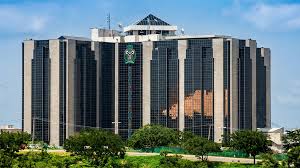

Reporting by The Punch indicates that the Central Bank of Nigeria (CBN) has issued a stringent regulatory directive aimed at thoroughly sanitizing the parallel foreign exchange market. Under the newly implemented guidelines, tier-1 Bureau de Change (BDC) operators are now legally required to maintain a minimum capital base of N2 billion, while tier-2 operators must maintain an N500 million threshold. The policy effectively aims to eliminate speculative practices and bring greater transparency to retail currency trading across the country.
The apex bank’s circular also explicitly prohibits BDC operators from engaging in cash-based foreign exchange transactions exceeding a predefined retail threshold. Moving forward, all currency purchases and sales must be processed digitally through integrated banking channels, providing a real-time audit trail for regulatory oversight. Operators who fail to meet the new capital requirements or digital integration standards by the designated deadline will have their operational licenses revoked.
Financial analysts suggest that this structural consolidation will drastically reduce the sheer number of BDC licenses active in the market, concentrating operations into highly capitalized entities. The CBN maintains that these measures are essential to curb illicit financial flows, halt arbitrary currency hoarding, and stabilize the volatile naira exchange rate.
Confirming the apex bank’s structural overhaul, Daily Post reported that the consolidation policy is geared toward professionalizing retail foreign exchange markets, quoting a senior financial regulator who stated, “The era of utilizing BDC licenses for speculative hoarding and round-tripping is definitively over.” Similarly, ThisDay reported that independent operators are scrambling to form mergers to survive the capital hike, with an industry spokesperson lamenting, “The extreme capital requirement will inadvertently wipe out indigenous small-scale operators and hand the market over to institutional players.”
**Echotitbits take:** By enforcing digital compliance and steep capital floors, the CBN is effectively forcing the informal retail forex market into the formal banking grid. While this will successfully curb retail speculation and clean up dirty money loops, it could temporarily push the parallel market deeper underground into unmonitored peer-to-peer spaces.
Source: Afriwise – https://www.afriwise.com/blog/foreign-exchange-controls-in-nigeria-updated-rules-for-bdcs, June 2, 2026
Photo credit: The Guardian