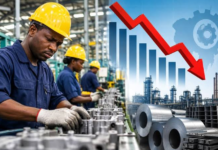
Reporting by Channels TV indicates that capital expenditure across Nigeria’s major industrial manufacturing clusters has declined over the past fiscal quarter due to structural energy supply bottlenecks and heightened transport logistics vulnerabilities. Corporate executives are demanding comprehensive national security guarantees and emergency tariff concessions to preserve operational margins against volatile overhead costs.
Industry groups emphasize that escalating public security expenditures have consistently crowded out private sector credit options, forcing local manufacturing firms to source secondary high-interest capital. The combination of persistent currency fluctuations and power grid volatility continues to depress localized production capacities.
Despite these severe environmental headwinds, selective blue-chip fast-moving consumer goods entities are exploring alternative clean-energy microgrids to sustain long-term operations.
Further confirmation from *The Tribune* reveals that “industrialists are rapidly losing confidence in the public grid, forcing a collective transition toward decentralized captive solar facilities.” Additionally, *ThisDay* published findings showing that “supply chain disruptions in northern logistical corridors have increased raw material transit timelines by over forty percent.”
**Echotitbits take:** The disconnect between government promises and corporate survival realities is widening. If domestic manufacturers continue to migrate off the public grid to expensive private microgrids, consumers will bear the ultimate brunt through spiraling retail product prices, further fueling the domestic cost-of-living crisis.
Source: ThisDayLive – https://www.thisdaylive.com/2026/03/24/manufacturing-amidst-global-economic-disruptions/, June 12, 2026
Photo credit: Caspian Post