

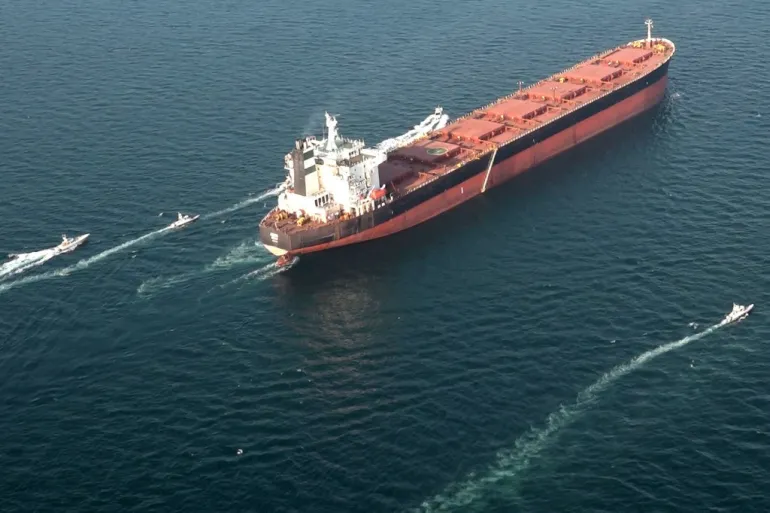

Figures cited by **Channels TV** show that traffic through the Strait of Hormuz—a vital artery for 20% of the world’s crude oil—remains almost completely paralyzed. The closure, which began in late February following military escalations in the Middle East, is now posing a “systemic threat” to global aviation fuel supplies.
Economists warn that if the blockade continues into May, Europe and Asia could see severe flight cancellations due to jet fuel shortages. The International Energy Agency (IEA) has expressed growing concern that the disruption will lead to a spike in global energy prices, which would have a ripple effect on developing economies like Nigeria.
**Daily Post** noted that “Iran and Pakistan are set to meet to discuss the crisis,” while **The Guardian** highlighted that “supply issues could occur in the near future.” Economist Claudio Galimberti warned, “The situation can, within the next three to four weeks, become systemic.”
**Echotitbits take:** For Nigeria, this is a double-edged sword: crude oil prices may rise, increasing export revenue, but the cost of importing refined petrol and jet fuel will likely skyrocket, potentially leading to a domestic fuel crisis.
Source: Al-Jazeera – https://www.aljazeera.com/news/2026/3/1/how-us-israel-attacks-on-iran-threaten-the-strait-of-hormuz-oil-markets, April 16, 2026
Photo credit: Al-Jazeera