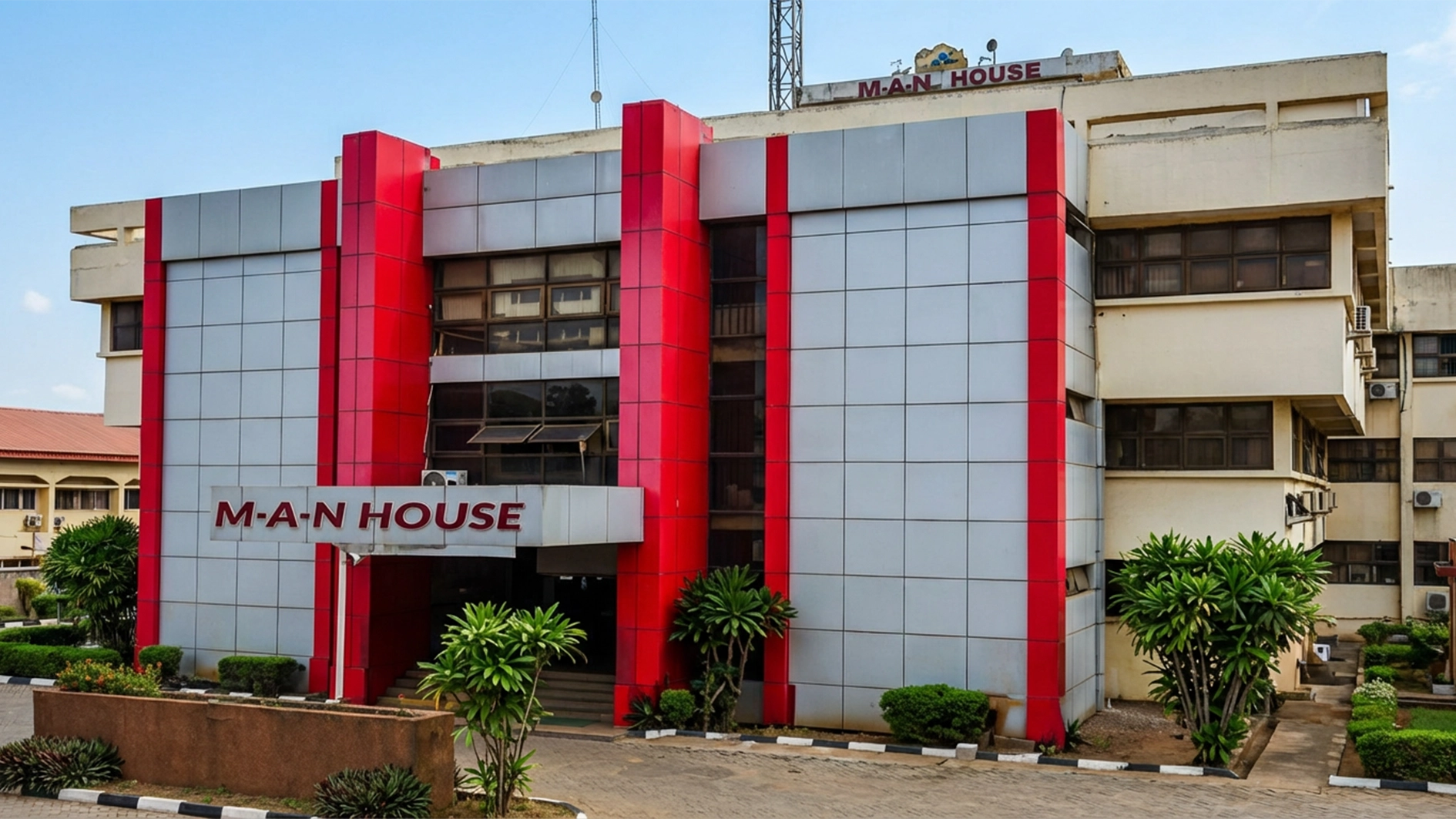
According to reporting by The Guardian, severe credit constraints are stalling operations across Nigeria’s industrial hubs, with commercial loans extended to domestic manufacturers dropping by 23 percent to N6.6 trillion. The crippling impact of over 35 percent commercial interest rates has left factory operators priced out of critical working capital, leading to a visible drop in capacity utilization and output. Industry leaders note that the steep decline in available credit further exacerbates supply-driven inflation while exposing the national economy to severe commodity shocks.
Compounding these struggles is the delayed deployment of the N1 trillion Manufacturing Stabilisation Fund, a key fiscal cushion under the federal government’s Accelerated Stabilisation and Advancement Plan (ASAP). Business operators lament that the gap between executive promises and actual cash deployment has left them exposed to astronomical energy bills and massive naira devaluations. Without immediate intervention, many scaling operations face the grim choice of a total production halt or permanent exit.
The financial strain gripping local producers has reverberated deeply across the broader economy. Observers note that reducing financial support directly prevents structural upgrades and modernizations required for global competitiveness. The continuous squeeze on industrial operations ultimately blocks new job creation pipelines, threatening millions of livelihoods across the country.
Reports from both The Punch and Vanguard corroborate the operational gridlock facing local industries under the current monetary regime. Highlighting the gravity of the fiscal distress, a representative from The Punch stated that “the severe lack of affordable credit is systematically hollowout production capacity across critical manufacturing hubs.” Echoing these sentiments, a financial analyst quoted by Vanguard observed that “without a rapid disbursement of the stabilization fund, domestic factories will continue scaling down operations indefinitely.”
Echotitbits take: This significant contraction in credit highlights a deep fracture between the Central Bank of Nigeria’s aggressive monetary tightening and the survival of the real sector. While the apex bank aims to tame inflation, pushing borrowing costs past 35 percent is choking the exact factories needed to boost local production. Watch for an increased push from organized private sector bodies to force the immediate release of the long-awaited N1 trillion Manufacturing Stabilisation Fund before industrial closures trigger mass layoffs.
Source: The Guardian – https://guardian.ng/business-services/credit-to-manufacturers-down-by-23-to-n6-6tr-as-capacity-utilisation-drops/, June 25, 2026
Photo credit: The Guardian