

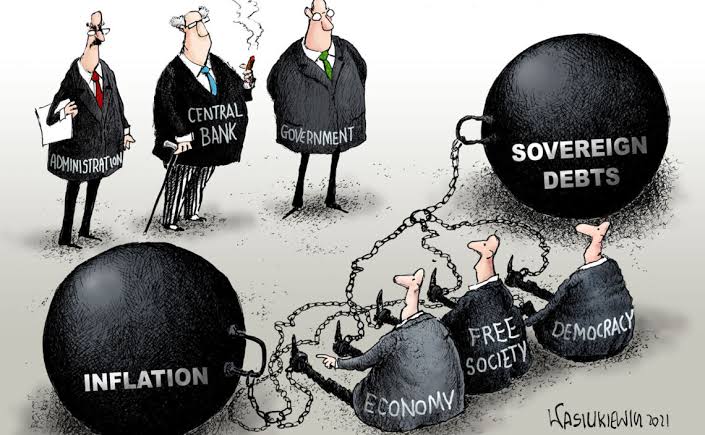

A combined approach involving massive fiscal growth, persistent inflation fears, and proactive liquidity controls has pushed Nigeria’s public borrowing parameters to historic levels. According to Premium Times, the federal government has dramatically frontloaded its sovereign debt issuance program for the current fiscal cycle. This strategic acceleration comes in direct response to the expanded national budget, which climbed from N58.18 trillion to an unprecedented N68.32 trillion, prompting an upward adjustment of the borrowing ceiling to N29.20 trillion.
Economic researchers emphasize that this aggressive volume of market borrowing significantly outpaces the state’s historical refinancing activities. Throughout the opening months of the year, net treasury bill issuances exponentially outstripped the performance metrics recorded during similar operational periods in previous years. Financial experts suggest that the treasury is taking advantage of liquid market conditions early in the year to cushion the impacts of high macroeconomic volatility.
This rapid build-up of public liabilities highlights deep structural adjustments in national fiscal management amid persistent inflation. As the central bank maintains its tight monetary posture, the government’s immense credit demand risks competing with private sector credit access. Critics warn that over-reliance on short-term debt instruments could compound debt service obligations and further strain upcoming annual budget allocations.
The Nation observed that “the massive frontloading of treasury bills reflects growing anxieties over revenue shortfalls and volatile currency pressures.” Furthermore, The Nation stated that “investors are capitalizing on high yields, which is increasing the state’s future debt service burden.” Daily Post similarly explained that “the dramatic expansion of the 2026 fiscal plan has forced the debt management authorities into unprecedented issuance cycles to sustain capital projects.”
Echotitbits take:
Frontloading debt early in the fiscal year is a smart way to lock in liquidity, but it highlights underlying worries about revenue shortfalls later in 2026. This massive domestic borrowing could squeeze out private sector lending, making it harder for small businesses to get loans. Keep an eye on how upcoming inflation reports affect these treasury yields.
Source: Punch – https://punchng.com/debt-issuance-spikes-on-inflation-liquidity-risks-analyst-2, July 3rd, 2026
Photo credit: GIS