

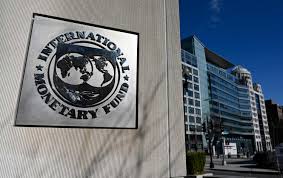

In an update published by The Guardian, severe public resistance has met the fresh fiscal policy recommendations issued to the Nigerian government by the International Monetary Fund (IMF). The multilateral lender urged local authorities to introduce fresh excise duties on telecommunications services and aggressively extend value-added tax (VAT) across all domestic fuel products to build sustainable fiscal space. However, domestic consumer advocacy groups and industry actors have fiercely rejected the counsel, arguing that the citizenry is already crushed by extreme over-taxation.
The international lender defended its position by explaining that Nigeria requires sweeping tax policy reforms over the medium term to generate necessary funding for critical infrastructure and social safety interventions. The IMF explicitly warned that the current pace of capital project spending will soon become entirely unsustainable without structural revenue expansion. Nonetheless, the institution acknowledged the local realities by adding that any implementation must strategically account for prevailing food insecurity and high poverty rates.
In response, telecommunications operators and subscriber groups pointed out that the digital sector is already bucking under the weight of more than 40 different types of statutory levies, tariffs, and overlapping charges. They warned that forcing additional excise burdens onto operators would inevitably lead to higher subscription costs for voice and data services. This, they argue, would worsen the digital divide and price essential connectivity completely out of reach for lower-income citizens.
This developing impasse was equally verified by reports from ThisDay and The Punch. Highlighting the economic friction, ThisDay reported that “the proposed tax additions run completely contrary to the federal government’s stated goal of easing the cost of living for struggling households.” Concurrently, The Punch noted that “telecom association heads have vowed to approach the courts if the executive tries to resurrect the widely unpopular five percent excise levy.”
**Echotitbits take:** The federal government finds itself caught between satisfying international credit requirements and managing volatile domestic socio-economic tensions. Expect the Tinubu administration to heavily delay any fuel-related VAT changes while trying to prioritize digital tax administration overhauls to reduce leakages without raising formal rates.
Source: The Guardian – https://guardian.ng/business-services/nigerians-kick-as-imf-advises-fg-to-introduce-telecom-tax-extend-vat-to-fuel/, June 15, 2026
Photo credit: Daily Sabah