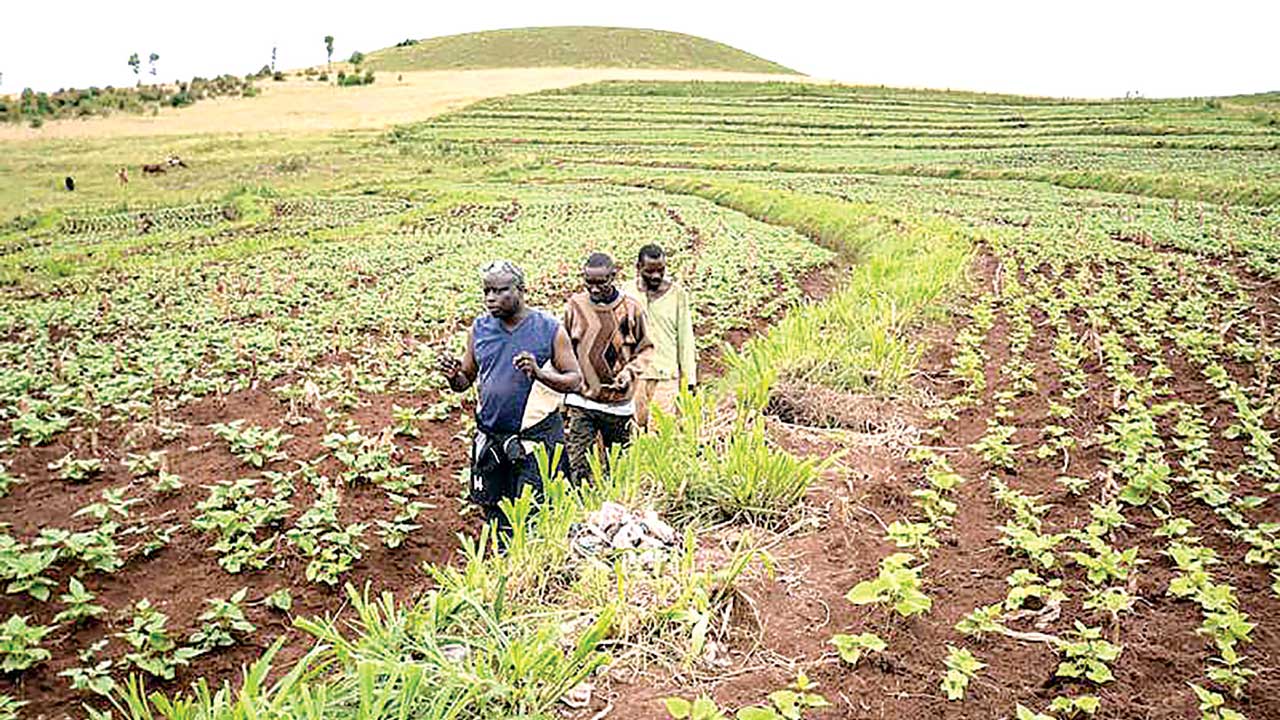
Nigeria faces an alarming deficit in agricultural mechanization, currently operating with less than five percent of the total machinery required to sustain meaningful food production across the country. Figures cited by The Punch show that while the country needs at least 250,000 tractors over the next five years to achieve food security, there are currently only an estimated 5,000 to 10,000 functional units in active operation across the federation. This vast discrepancy has prompted urgent calls for scaled-up private sector investments.
To address the severe technical skill shortages and low youth inclusion in the agricultural sector, TracTrac Mechanisation Services Limited launched the “Young People in Mechanisation” (YPiM) initiative in Abuja. The program is designed to recruit, train, and structurally engage 36,000 young Nigerians within the next six months. The initiative will draw 1,000 participants aged between 18 and 35 from each of the 36 states, equipping them with hands-on technical skills, mentorship, and opportunities in agro-entrepreneurship.
The company’s leadership emphasized that solving Nigeria’s deep-seated agricultural crises requires a move away from reliance on erratic government interventions toward structural, private-led market frameworks. By preparing the youth to lead the technical side of farming, the initiative intends to transform agriculture from a traditional survival practice into an industrialized economic powerhouse.
Additional reporting from Leadership confirmed the development, noting that “the YPiM scheme stands as Nigeria’s first massive youth-focused mechanisation movement designed to build long-term agrarian capacity.” A parallel report by Vanguard echoed the urgency of the capital requirements, stating that “without immediate private sector investment in heavy equipment leasing, rising food inflation may worsen across regional markets.”
Echotitbits take: Nigeria’s agricultural sector remains highly manual, leaving it vulnerable to climate shocks and structural inefficiencies. While training 36,000 youths is a step in the right direction, the primary barrier remains the massive capital expenditure required to import and maintain 250,000 tractors. Watch for whether the Central Bank or international development banks roll out dedicated credit facilities for agro-machinery acquisition.
Source: Punch – https://punchng.com/nigerias-tractor-shortage-threatens-food-security-stakeholders/, June 30, 2026
Photo credit: The Guardian